
Pattern 1796 Light Cavalry Sabre
Pattern 1796 Light Cavalry Sabre - Web 1796 light cavalry sabre. Web one of the most iconic swords of the napoleonic era if not of all times, the lc 1796 sabre was designed by british officer gaspard lemarchand & sword maker henry osborn. John gaspard le merchant, a british cavalry officer, designed the saber based upon his military experiences in the field. Famed for its use by britain’s light dragoons and hussars during the peninsular war and waterloo, this sword was also supplied to the prussian cavalry in great numbers and even found favour in the usa. As a young captain, he observed the clumsy design of the heavy, overly long 1788 pattern swords. The light cavalry sabre was designed by john gaspard le marchand, a cavalry officer, and henry osborne, a birmingham cutler, with the aim of creating an effective and practical weapon. Web thus the two types of sabre are known as the 1796 pattern cavalry sabres. John gaspard le merchant, a british cavalry officer, designed the saber based upon his military experiences in the field. Web in 1796 the british war department adopted a newly designed saber for use by the light cavalry. Creating a fairly tip heavy sword. Web it was indeed an extremely effective cutting sabre, so much so that the prussians adopted it near the end of the napoleonic wars. Web in 1796 the british war department adopted a newly designed saber for use by the light cavalry. Web the pattern 1796 heavy cavalry sword was the sword used by the british heavy cavalry (lifeguards, royal horse guards, dragoon guards and dragoons), and king's german legion dragoons, through most of the period of the revolutionary and napoleonic wars. Web in 1796, the british war department adopted a newly designed saber for use by the light cavalry. John gaspard le merchant, a british cavalry officer, designed the saber based upon his military experiences in the field. Web answer 1 of 8: Web to echo what you said: Le merchant saw the inadequacies in the. This included the hussars, the light dragoons and the horse (mounted) artillery. With a fuller running down its length, stopping around the point of percussion. It comes fully sharpened with a wood and leather scabbard with steel mounts. The light cavalry sabre was designed by john gaspard le marchand, a cavalry officer, and henry osborne, a birmingham cutler, with the aim of creating an effective and practical weapon. It was adopted by the prussians (as the 1811 pattern or blücher sabre) and used by portuguese. Custom blade and scabbard engraving. The 1796 light cavalry saber comes with your choice of an all steel scabbard or a wood/leather. Creating a fairly tip heavy sword. Famed for its use by britain’s light dragoons and hussars during the peninsular war and waterloo, this sword was also supplied to the prussian cavalry in great numbers and even found favour. Web the pattern 1796 british light cavalry sabre features a very wide carbon steel blade. In contrast to the high levels of criticism directed at the 1796 heavy cavalry sword, the sword adopted at the same time for the british light cavalry received more appreciative contemporary comment. Web answer 1 of 8: Creating a fairly tip heavy sword. It comes. This included the hussars, the light dragoons and the horse (mounted) artillery. I brought this to my hema club's attention when matt easton released his video and they very quickly purchased one. John gaspard le merchant, a british cavalry officer, designed the saber based upon his military experiences in the field. With a fuller running down its length, stopping around. Le merchant saw the inadequacies in the. Web the pattern 1796 light cavalry sabre is a sword that was used primarily by british light dragoons and hussars, and king's german legion light cavalry during the napoleonic wars. The us dragoon pattern for the war of 1812 was identical. The 1796 light cavalry saber comes with your choice of an all. As a young captain, he observed the clumsy design of the heavy, overly long 1788 pattern swords. The us dragoon pattern for the war of 1812 was identical. The saber pattern was very similar to the british light cavalry saber of 1822, with some minor changes made by the u.s. Le merchant saw the inadequacies in the. Web the pattern. John gaspard le merchant, a british cavalry officer, designed the saber based upon his military experiences in the field. This saber is fantastic for the price point. In contrast to the high levels of criticism directed at the 1796 heavy cavalry sword, the sword adopted at the same time for the british light cavalry received more appreciative contemporary comment. John. A dashing cavalryman and a gifted leader, but also a keen observer with a mind for science. It was adopted by the prussians (as the 1811 pattern or blücher sabre) and used by portuguese and spanish cavalry. It was adopted by the prussians (as the 1811 pattern or blücher sabre) and used by portuguese and spanish cavalry. Web in 1796,. Web often considered one of the most recognizable sabers of the napoleonic wars, the 1796 pattern light cavalry saber was also one of the most widely produced and diversely fabricated swords of the period. Web in 1796, the british war department adopted a newly designed saber for use by the light cavalry. Web answer 1 of 8: This included the. Web often considered one of the most recognizable sabers of the napoleonic wars, the 1796 pattern light cavalry saber was also one of the most widely produced and diversely fabricated swords of the period. Web you can build your saber however you’d like! Web 1796 light cavalry sabre. This included the hussars, the light dragoons and the horse (mounted) artillery.. Web thus the two types of sabre are known as the 1796 pattern cavalry sabres. John le marchant, the designed the 1796 light cavalry sabre, was a rarity: British cavalry never was efficient in the 18th century and their overall performance paled when compared to continental horsemen. Web the pattern 1796 heavy cavalry sword was the sword used by the british heavy cavalry (lifeguards, royal horse guards, dragoon guards and dragoons), and king's german legion dragoons, through most of the period of the revolutionary and napoleonic wars. The us dragoon pattern for the war of 1812 was identical. With a fuller running down its length, stopping around the point of percussion. Web this exact replica of an original antique weighs only 1 lb, 12 oz, and the blade features an extreme distal taper, enabling it to feel exceptionally lively. Web 1796 light cavalry sabre. Web you can build your saber however you’d like! I have just read on this forum that you can build your own light sabre at downtown disney! The saber pattern was very similar to the british light cavalry saber of 1822, with some minor changes made by the u.s. Custom blade and scabbard engraving. Web it was indeed an extremely effective cutting sabre, so much so that the prussians adopted it near the end of the napoleonic wars. A full 5/8″ thick at the hilt, and tapers to a super thin 1/64″, 1″ from the tip. Web often considered one of the most recognizable sabers of the napoleonic wars, the 1796 pattern light cavalry saber was also one of the most widely produced and diversely fabricated swords of the period. Web in 1796, the british war department adopted a newly designed saber for use by the light cavalry.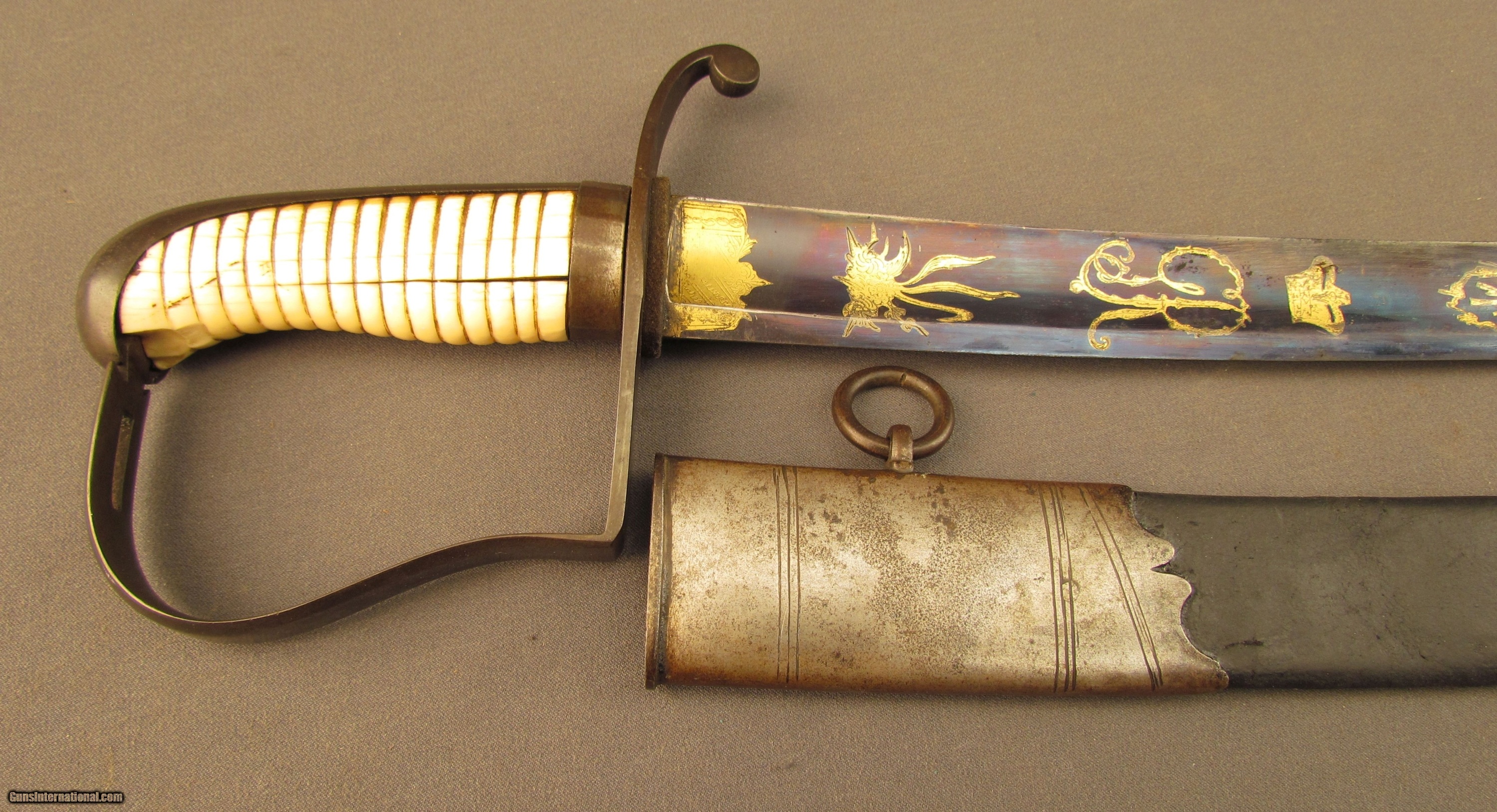
British Pattern 1796 Light Cavalry Officer's Saber
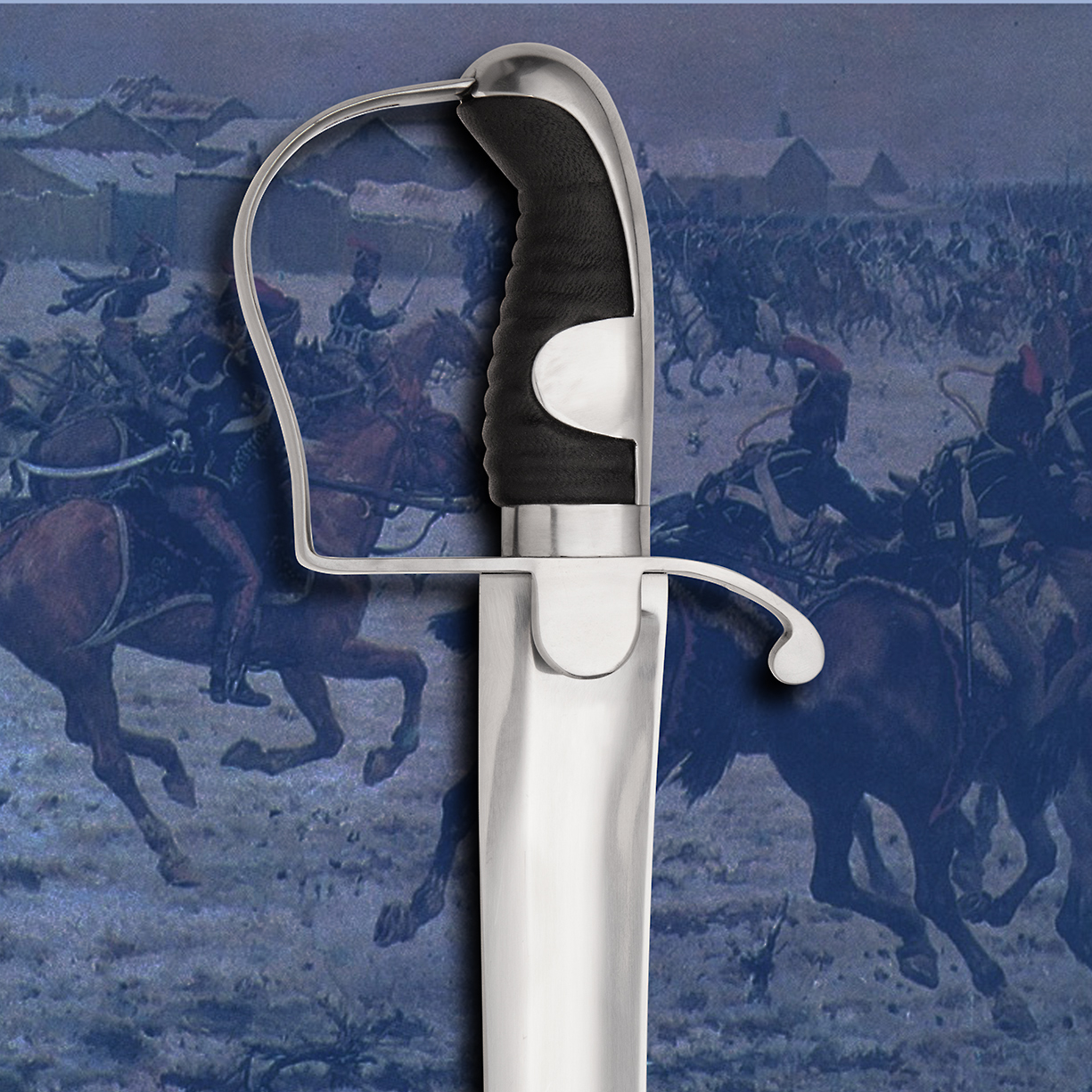
Windlass British 1796 Pattern Light Cavalry Saber w/ Steel Scabbard
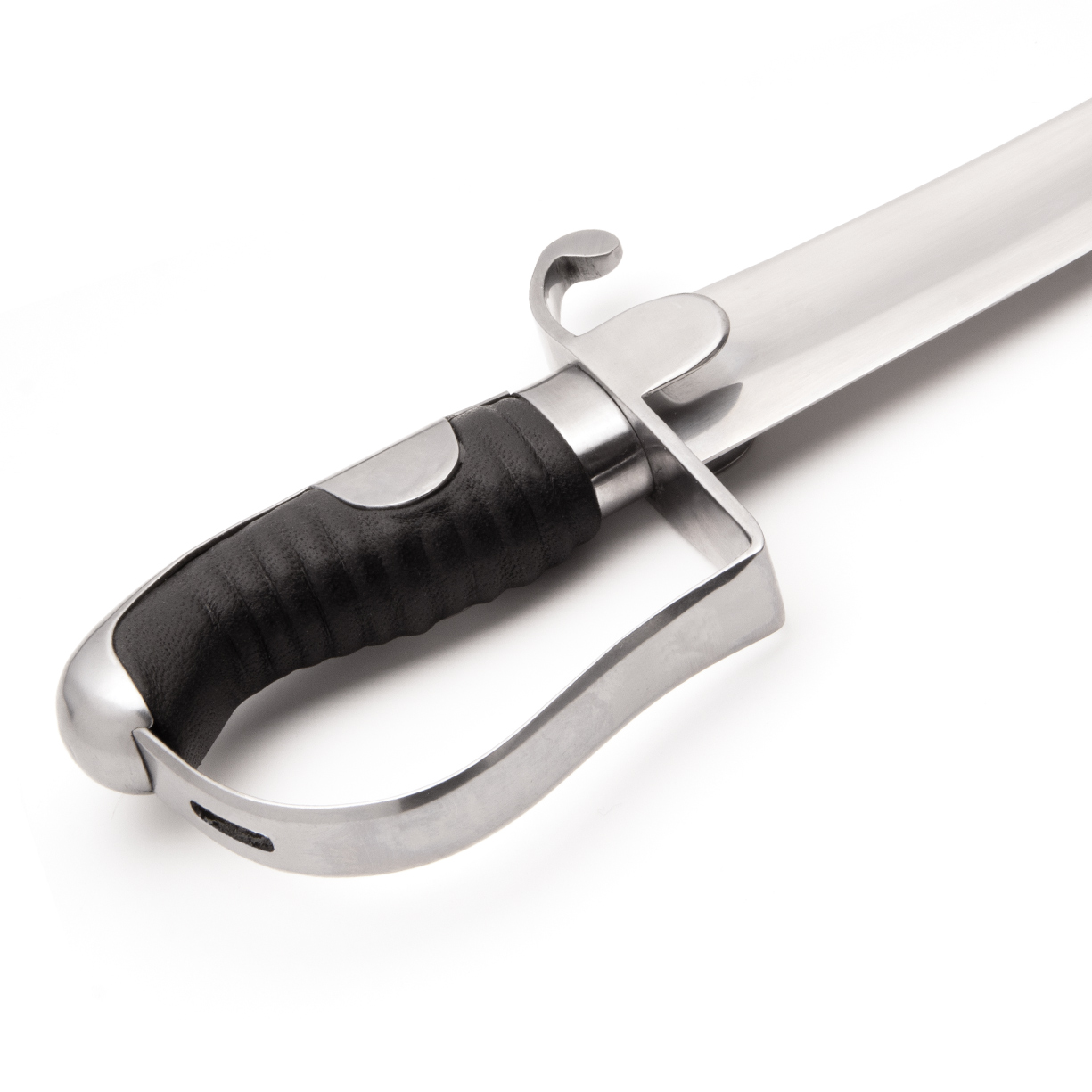
Windlass British 1796 Pattern Light Cavalry Saber w/ Steel Scabbard

Original British Pattern 1796 Light Cavalry Saber with Scabbard
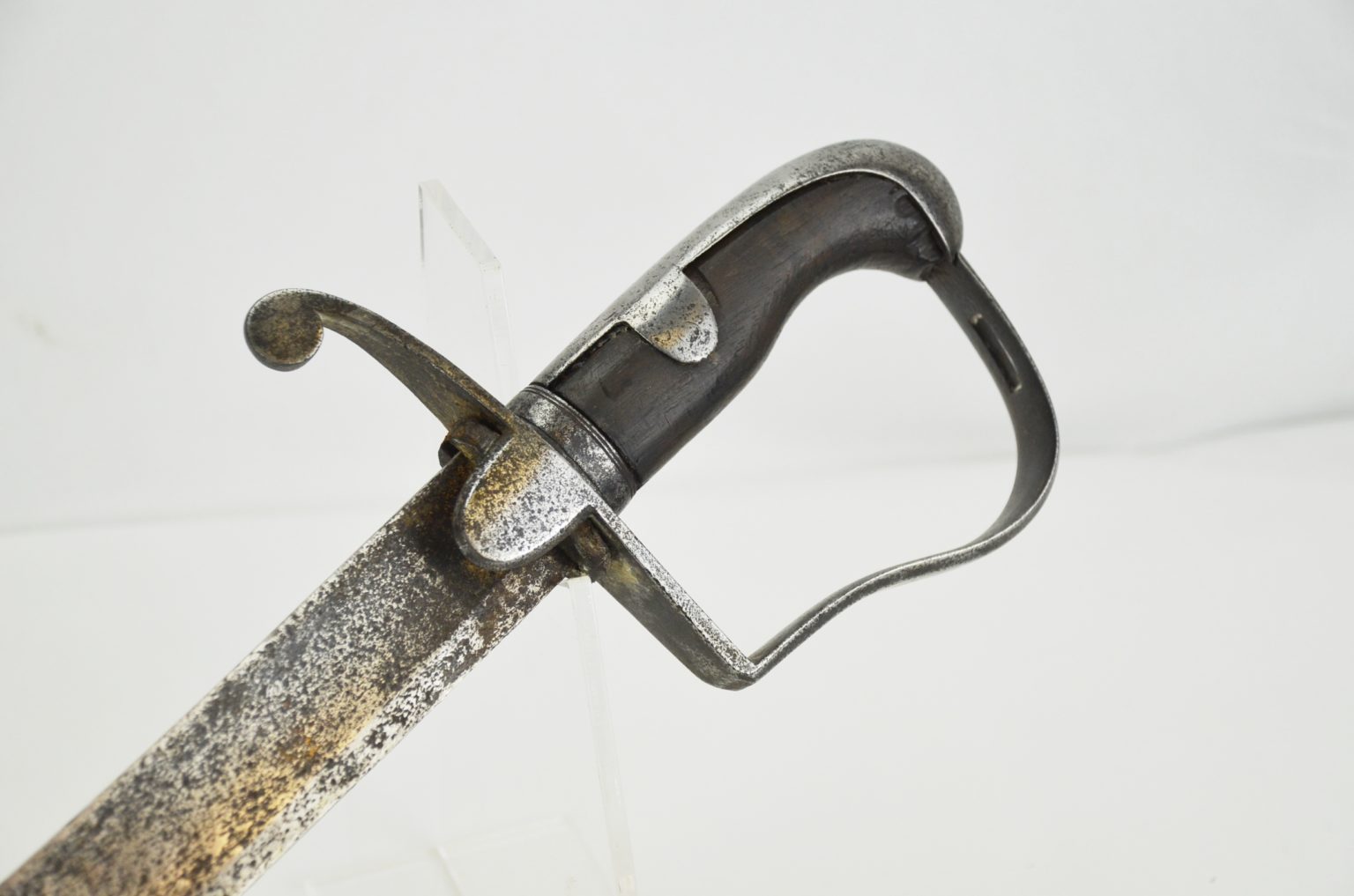
1796 Pattern Light Cavalry Sabre Sally Antiques

Original British Pattern 1796 Light Cavalry Saber with Scabbard
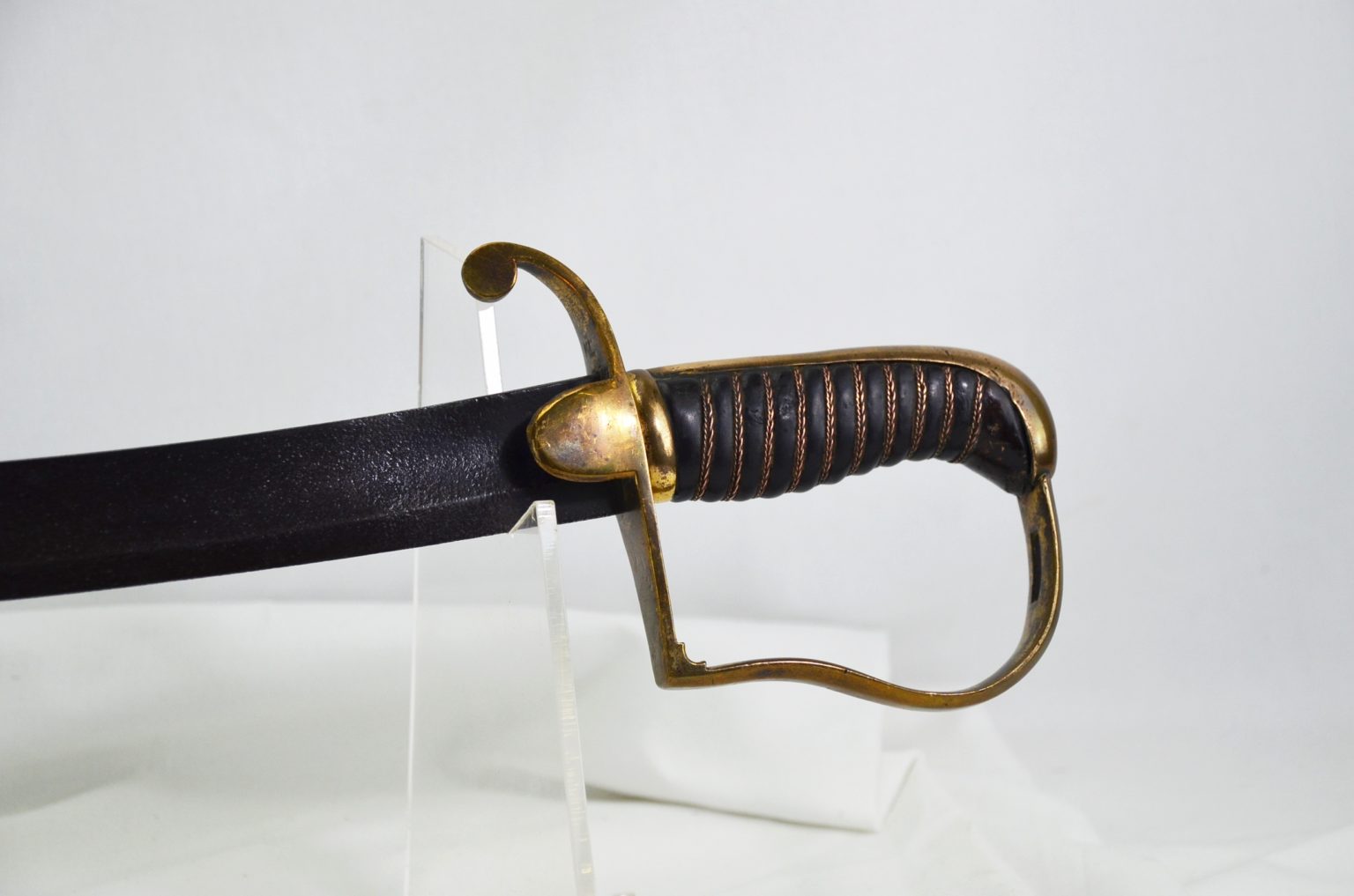
British Officer’s 1796 Pattern Light Cavalry Sabre Sally Antiques
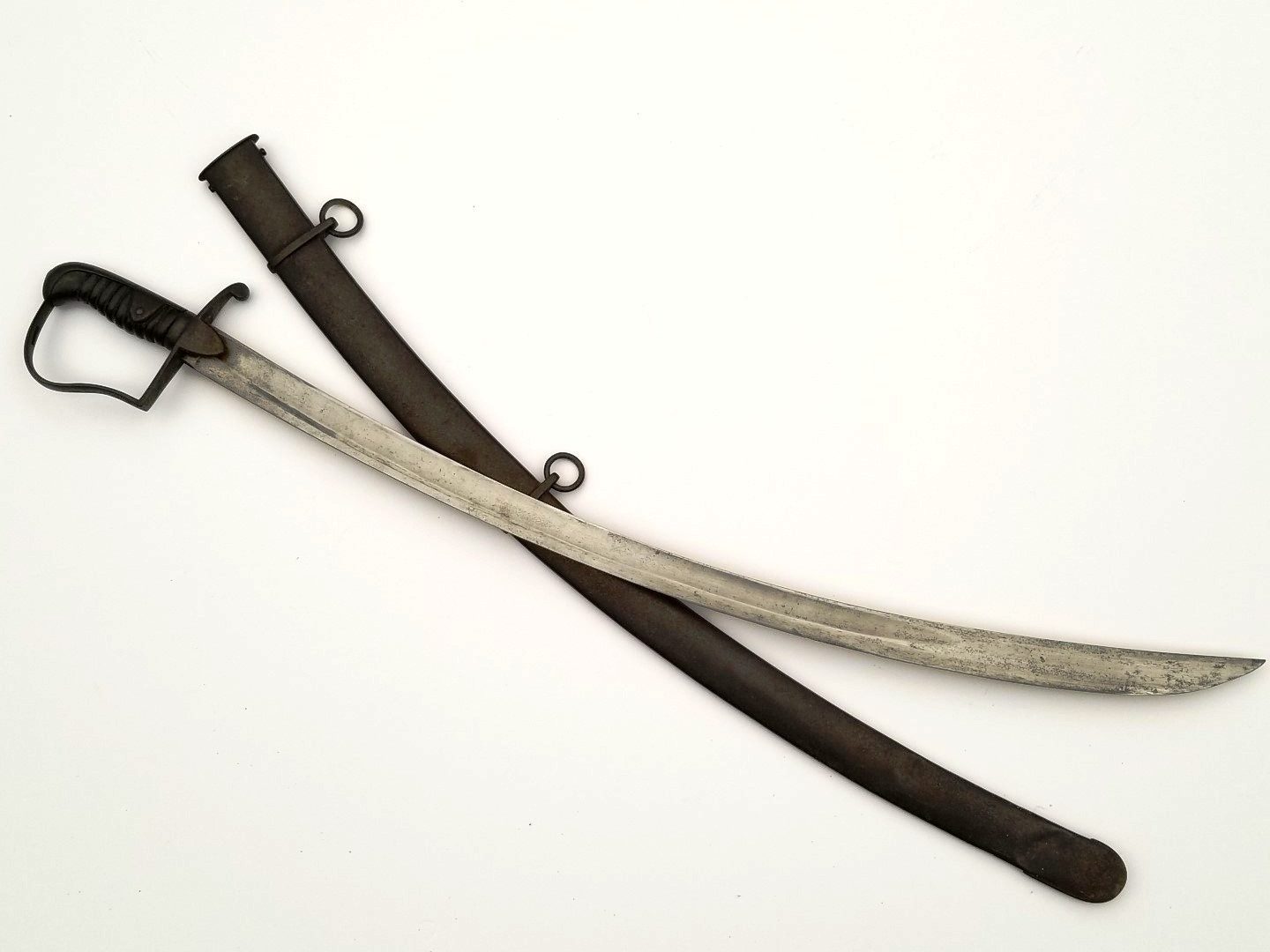
British Pattern 1796 Light Cavalry Sabre Warpath
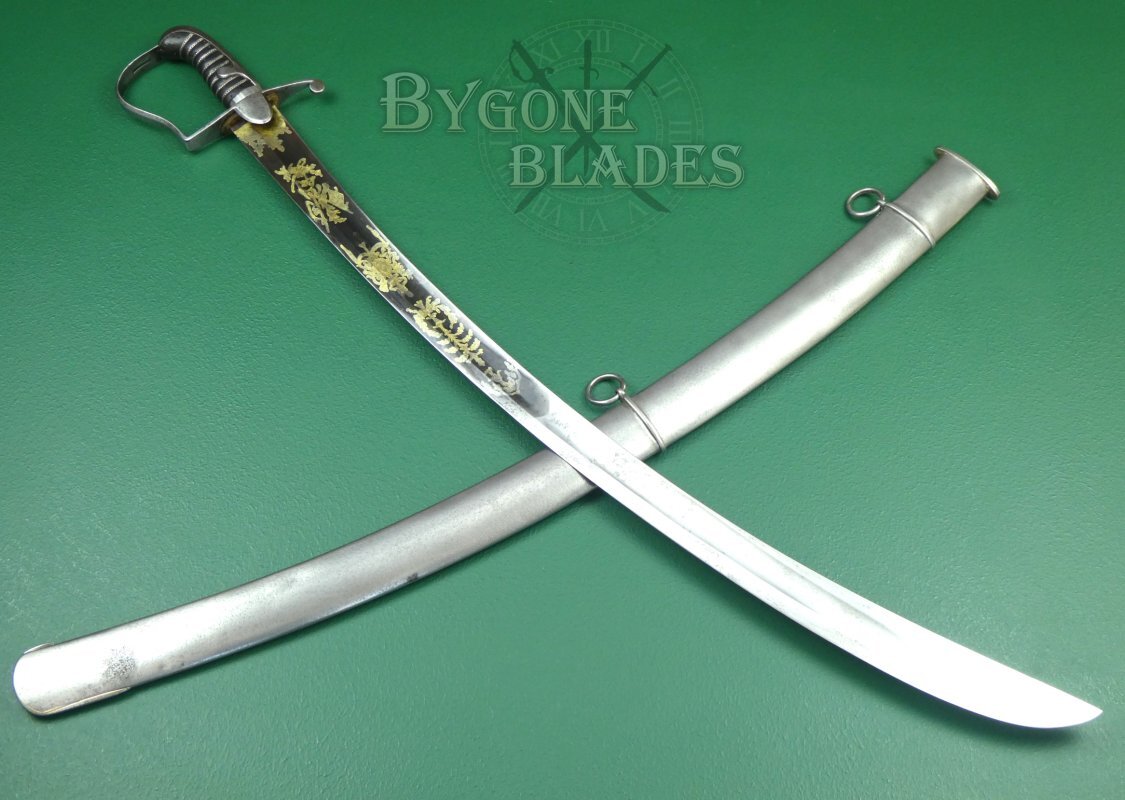
British 1796 Pattern Blue & Gilt Light Cavalry Officers Sabre. 2111002
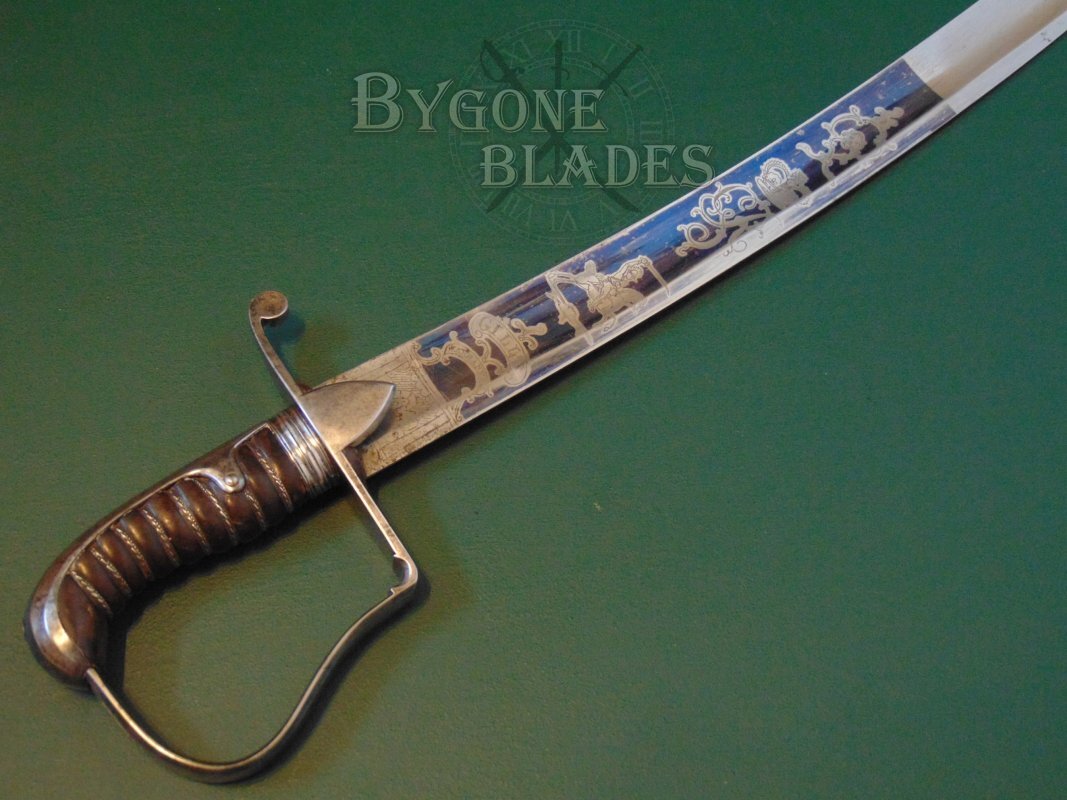
British Napoleonic Wars 1796 Pattern Light Cavalry Officer's Sabre
The Light Cavalry Sabre Was Designed By John Gaspard Le Marchand, A Cavalry Officer, And Henry Osborne, A Birmingham Cutler, With The Aim Of Creating An Effective And Practical Weapon.
The 1796 Light Cavalry Saber Comes With Your Choice Of An All Steel Scabbard Or A Wood/Leather.
The Handles Are Wood Covered With Leather And Wound With Coiled Brass Wire.
It Was Adopted By The Prussians (As The 1811 Pattern Or Blücher Sabre) And Used By Portuguese And Spanish Cavalry.
Related Post: