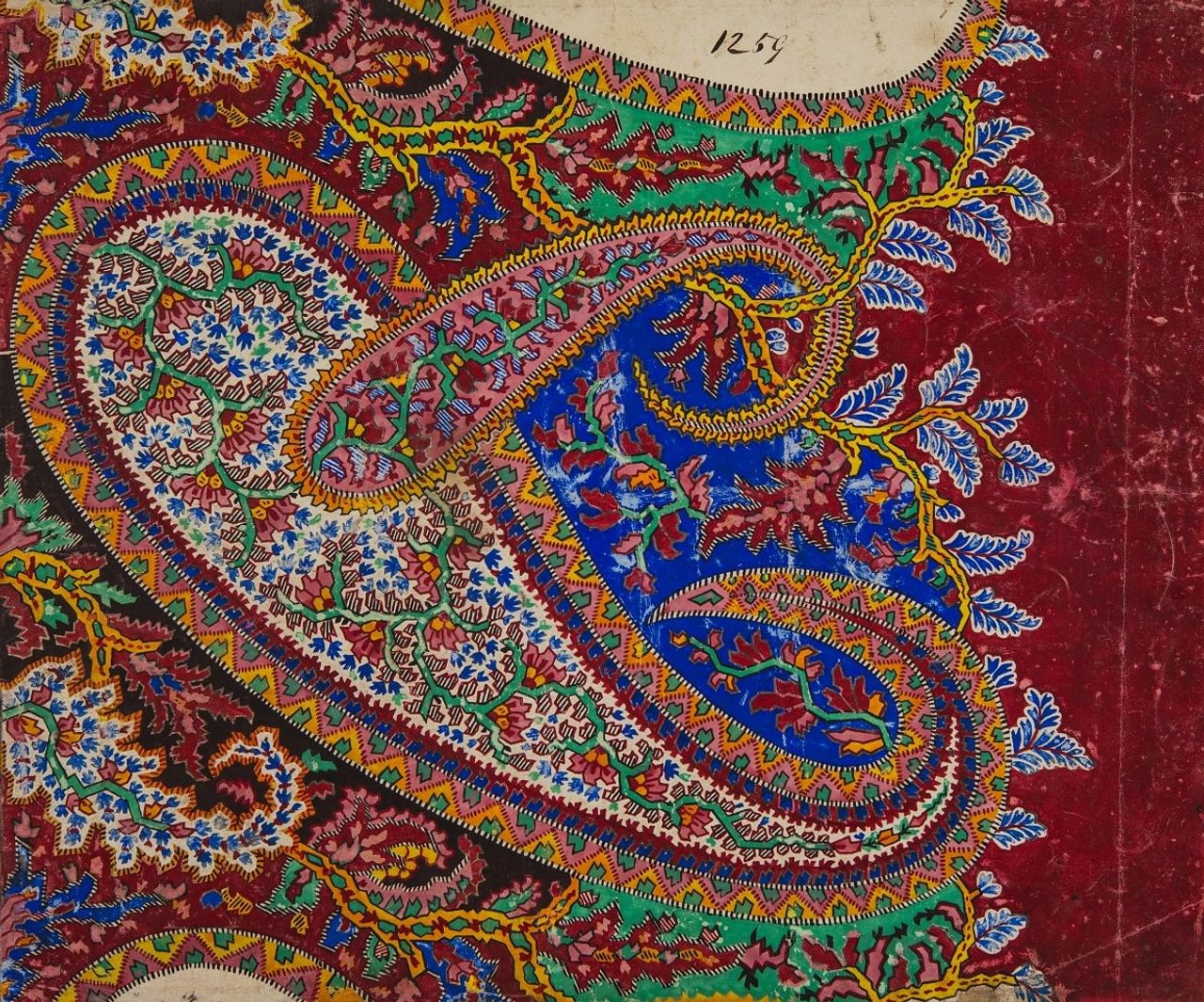
Paisley Pattern History
Paisley Pattern History - Web many of the patterns that are now considered classically british originated in south asia and were imported by the east india company. It is instantly recognised across the world. Web from its origins as a persian and indian motif to its transformation into the iconic paisley pattern that we know today, the history of paisley is a testament to the enduring power of great design and the enduring appeal of beautiful textiles. Web the scottish town of paisley became the eponymous home of the paisley pattern in the 19th century. And it is as iconic and fashionable today as it was when it put paisley at the centre of the global textile trade. Web as part of our decolonisation series, we take a closer look at the paisley pattern. Web paisley, textile pattern characterized by colourful, curved abstract figures; Suchitra explores the historic critique of the revered indian shawl and its british imitations. Web scotland’s largest town was forever changed by the paisley pattern. The design originated in india back in the 11th century, near kashmir. Web as part of our decolonisation series, we take a closer look at the paisley pattern. Web the official illustrated history : Web scotland’s largest town was forever changed by the paisley pattern. Web the scottish town of paisley became the eponymous home of the paisley pattern in the 19th century. Web history of the paisley pattern. Web paisley, textile pattern characterized by colourful, curved abstract figures; Web its journey to the west began in the 18th and 19th centuries when it was brought over on beautifully woven shawls, instantly capturing the fascination of the western world. It’s like a teardrop, but with a curved upper end. Suchitra explores the historic critique of the revered indian shawl and its british imitations. Web the paisley pattern is beautifully coloured in shades of red, yellow and shades of blue. Web but contrary to its name, the history of the paisley pattern doesn’t begin in paisley—in fact, far from it. Web history and origin of the paisley design the paisley design, called boteh jegheh in persian, ( بته جقه) is an asymmetrical, geometric floral pattern. Elaborate or understated, paisley is recognizable for. Web its journey to the west began in. Web from its origins as a persian and indian motif to its transformation into the iconic paisley pattern that we know today, the history of paisley is a testament to the enduring power of great design and the enduring appeal of beautiful textiles. The word ‘paisley’ is world famous as the name of the teardrop or tadpole shape pattern, used. Web history and origins of the paisley patterns. It’s like a teardrop, but with a curved upper end. Web its journey to the west began in the 18th and 19th centuries when it was brought over on beautifully woven shawls, instantly capturing the fascination of the western world. It is perhaps less well known as the name of a large. The design originated in india back in the 11th century, near kashmir. And it is as iconic and fashionable today as it was when it put paisley at the centre of the global textile trade. The paisley pattern evolved mainly in the kingdom of kashmir. Web the paisley pattern is beautifully coloured in shades of red, yellow and shades of. Web the history of the paisley pattern is truly fascinating. Paisley refers to a specific type of pattern characterized by curved teardrop shapes known as boteh or buto. Web history and origin of the paisley design the paisley design, called boteh jegheh in persian, ( بته جقه) is an asymmetrical, geometric floral pattern. It has been worn by everyone from. It has been worn by everyone from queen victoria to the beatles. Web the scottish town of paisley became the eponymous home of the paisley pattern in the 19th century. The paisley pattern evolved mainly in the kingdom of kashmir. But where does this motif come from? Web paisley, textile pattern characterized by colourful, curved abstract figures; It is perhaps less well known as the name of a large burgh or town in scotland. Web history and origins of the paisley patterns. Web but contrary to its name, the history of the paisley pattern doesn’t begin in paisley—in fact, far from it. Web many of the patterns that are now considered classically british originated in south asia. Web as part of our decolonisation series, we take a closer look at the paisley pattern. Web paisley or paisley pattern is an ornamental textile design using the boteh (persian: Suchitra explores the historic critique of the revered indian shawl and its british imitations. Web the paisley pattern has travelled the silk routes from east to west, adorned the bandanas. Web the paisley pattern has travelled the silk routes from east to west, adorned the bandanas of cowboys and bikers, been adopted by the 19th century boho set, been popularised by the beatles,. Web paisley, textile pattern characterized by colourful, curved abstract figures; The paisley pattern evolved mainly in the kingdom of kashmir. Web paisley or paisley pattern is an. Paisley, in particular, enjoyed quite a journey from its persian origins to the eponymous scottish town. Web the history of the paisley pattern is truly fascinating. The word ‘paisley’ is world famous as the name of the teardrop or tadpole shape pattern, used on everything from haute couture to a whole range of everyday domestic goods and gift items. The. Paisley refers to a specific type of pattern characterized by curved teardrop shapes known as boteh or buto. Web history and origin of the paisley design the paisley design, called boteh jegheh in persian, ( بته جقه) is an asymmetrical, geometric floral pattern. Web seen on furniture and fashion, paisley is one of the most endearing patterns of all time. Paisley, in particular, enjoyed quite a journey from its persian origins to the eponymous scottish town. Web history of the paisley pattern. Suchitra explores the historic critique of the revered indian shawl and its british imitations. Web but contrary to its name, the history of the paisley pattern doesn’t begin in paisley—in fact, far from it. The paisley pattern evolved mainly in the kingdom of kashmir. Web in this post julie gibbons explains the origins of one of the most popular motifs in surface design: Web history and origins of the paisley patterns. It is named for the shawls manufactured at the town of paisley, scot. Elaborate or understated, paisley is recognizable for. The word ‘paisley’ is world famous as the name of the teardrop or tadpole shape pattern, used on everything from haute couture to a whole range of everyday domestic goods and gift items. Web the history of the paisley pattern is truly fascinating. It is instantly recognised across the world. Paisley patterns can be lush with dense swirls and intricate lines or comprised of sparse shapes set on a placid background.
A Brief History of Paisley Elements

The History of Surface Design Paisleys Pattern Observer History of

A History of Graphic Design Chapter 92 A history of Paisley or Boteh
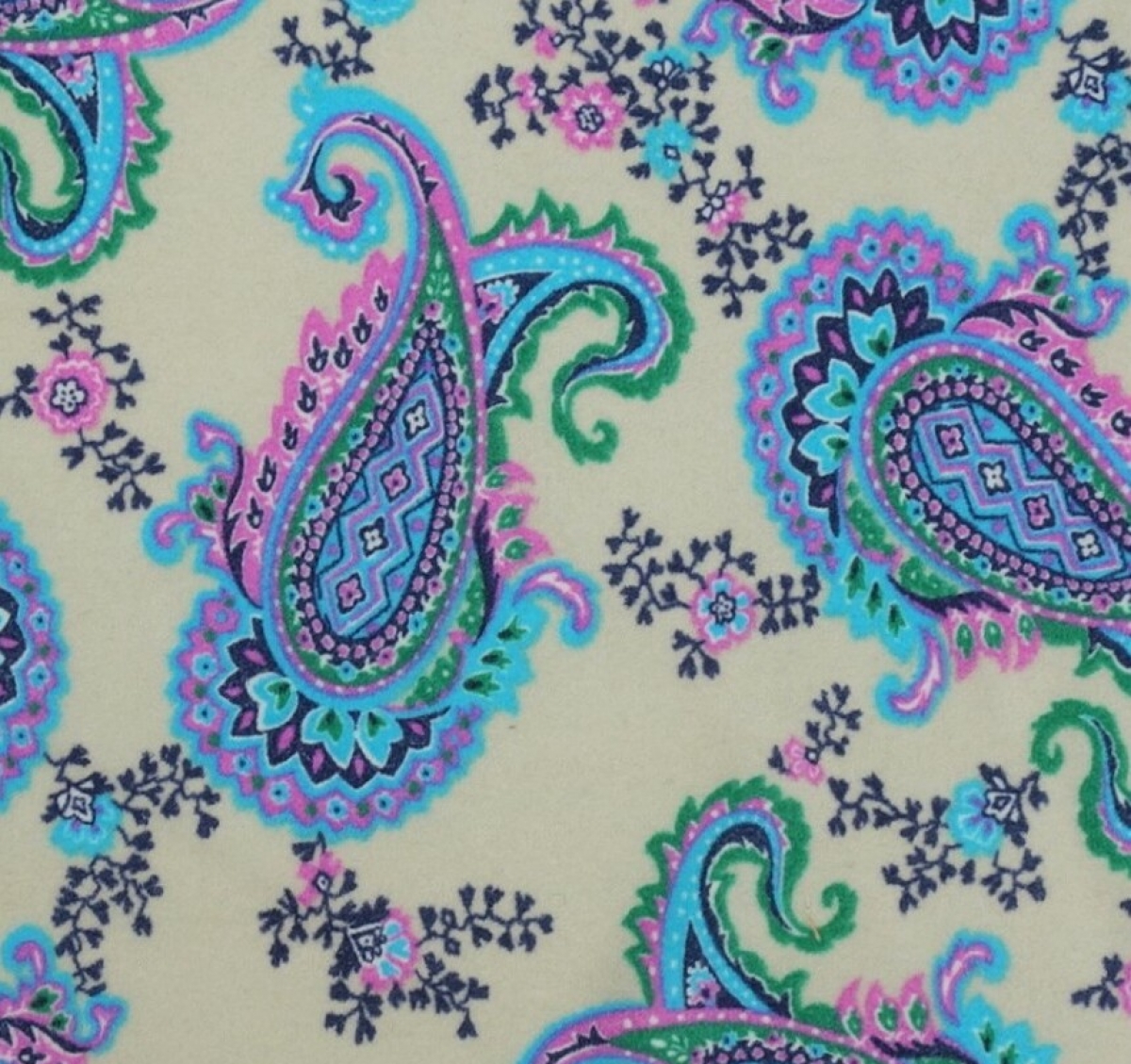
3. History of the paisley motif

HISTORY OF PAISLEY ORIGIN OF PAISLEY SYMBOL & PATTERN
V&A Dundee · A "tasteless" history of the Paisley pattern
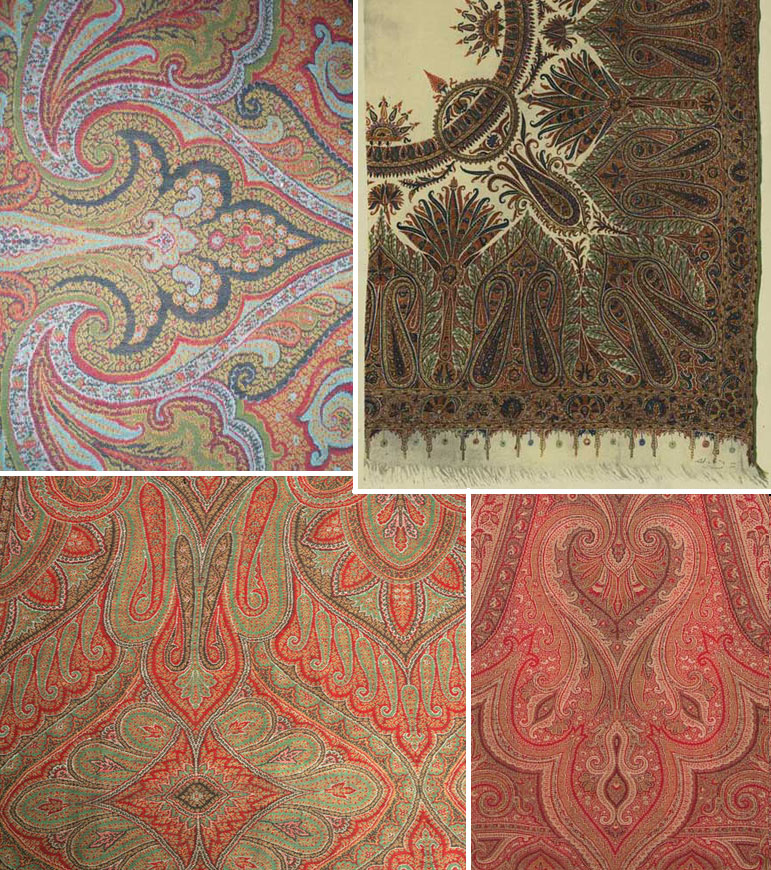
The History of Surface Design Paisleys Pattern Observer
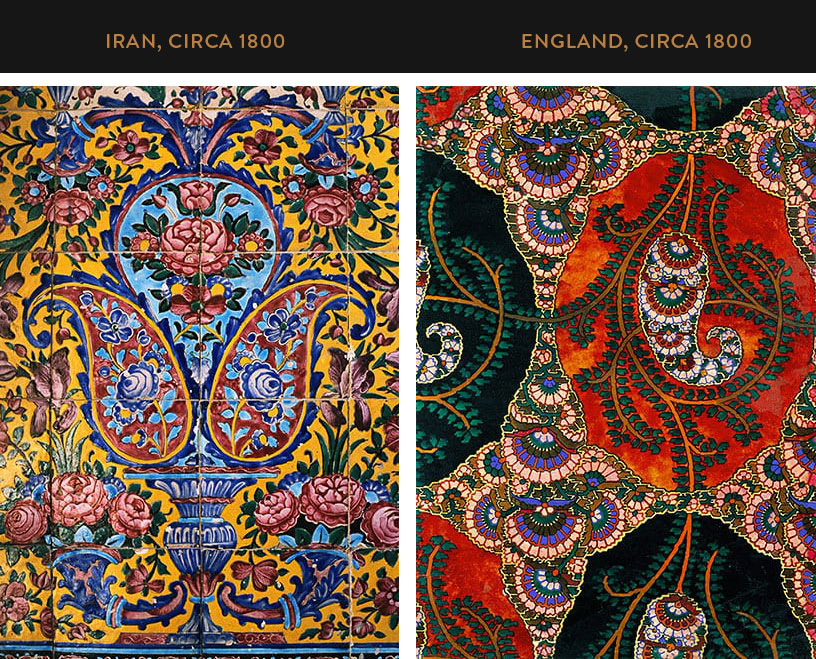
A Brief and Amusing History of Paisley Suzy Quilts

The History and Symbolism of Paisley Pattern Trends

A brief history of paisley
Web Paisley Or Paisley Pattern Is An Ornamental Textile Design Using The Boteh (Persian:
It Has Been Worn By Everyone From Queen Victoria To The Beatles.
Web Scotland’s Largest Town Was Forever Changed By The Paisley Pattern.
The Pattern Is Characterized By Intricate Curved Shapes Resembling Teardrops Or Droplets, Often Arranged In A Swirling And Symmetrical Fashion.
Related Post: