
Ot Grasp Patterns
Ot Grasp Patterns - I've wanted to make one of these videos for a while where we can review some common functional grasp patterns during an actual activity. Web grasp patterns are another part of development that occurs from 1 to 7 years old. While they are not all free (going with our series this month!), they are creative ways to practice precision. Web here, we’re covering sensory motor skills needed to hold a spoon, fork, knife, and other utensils. Web as previously mentioned, ots typically don't try to change a grasp pattern in 1 st grade; You’ll also find some creative activities and play ideas to develop the underlying skills that play into using utensils. As children grow and become more developed, their grasp patterns change over time. Palmar, radial, gross, pincer, tripod, lateral, are just a few of grasp patterns However, there are a lot of different pencil grasp patterns used among kids and adults. The palmar grasp reflex is present in newborns and lasts until about 5 months. Web grasp patterns and activities to promote fine motor skills. Learn what a tripod grasp is and the difference between a static and dynamic tripod grasp by an ot. Web the 4 stages of pencil grasp development shown are the ideal pattern. This grasp is used when holding and using a key. Thumb opposition, finger flexion, and object stabilized in the palm. Try some of these ideas. Palmar, radial, gross, pincer, tripod, lateral, are just a few of grasp patterns Other fingers are in the lower handle. Web looking for more ways to practice precision in grasp, release, and rotation with occupational therapy students or your kids? These various types of grasp patterns are important to understand when using finger strength exercises to build grasp and pinch strength in fine motor tasks. Web the 4 stages of pencil grasp development shown are the ideal pattern. Gross grasp is usually the first step in the process of developing fine motor skills. This grasp is used when holding and using a key. However, there are a lot of different pencil grasp patterns used among kids and adults. Grasp skill development is essential. What finger movements are needed? While they are not all free (going with our series this month!), they are creative ways to practice precision. Gross grasp is usually the first step in the process of developing fine motor skills. Web atypical grasp patterns can illicit quite a strong response from parents, educators and ot practitioners alike. Other fingers are in. What finger movements are needed? Web fine motor skills refer to the ability to make movements using the small muscles in our hands and wrist. We typically try to address this in preschool/kindergarten. However, there are a lot of different pencil grasp patterns used among kids and adults. This grasp is used when holding and using a key. While they are not all free (going with our series this month!), they are creative ways to practice precision. What finger movements are needed? These various types of grasp patterns are important to understand when using finger strength exercises to build grasp and pinch strength in fine motor tasks. As children grow and become more developed, their grasp patterns change. Try some of these ideas. Scissors are held with thumbs up grasp (alternate): The palmar grasp reflex is present in newborns and lasts until about 5 months. How to hold a fork and spoon with efficient grasp patterns. Web encouraging a mature pencil grasp includes skills such as core strength, crossing midline, bilateral coordination, shoulder and arm stability, separation of. As a school based ot, i have seen a lot of different grips. And the grasp first starts without any conscious control as an infant. Web pencil grasp development progresses through a typical pattern in most cases. Web atypical grasp patterns can illicit quite a strong response from parents, educators and ot practitioners alike. A child’s ability to color within. Thumb opposition, finger flexion, and object stabilized in the palm. You’ll also find some creative activities and play ideas to develop the underlying skills that play into using utensils. Web as previously mentioned, ots typically don't try to change a grasp pattern in 1 st grade; Here are names of pencil grasps and the ages that you will see each. You’ll also find some creative activities and play ideas to develop the underlying skills that play into using utensils. Does pencil grasp really matter? Holding a can, broom handle, drinking glass, tennis racket, handhold on a walker or crutch. The palmar grasp reflex is present in newborns and lasts until about 5 months. While they are not all free (going. What finger movements are needed? Web today, i’m sharing ways to work on the controlled use of these fine motor patterns in controlled dexterity tasks. How to hold a fork and spoon with efficient grasp patterns. Web fine motor skills refer to the ability to make movements using the small muscles in our hands and wrist. This grasp is used. As children grow and become more developed, their grasp patterns change over time. Web grasp patterns are another part of development that occurs from 1 to 7 years old. Typical of age 2 1/2 years and up. Fine motor coordination is critical in order to grasp, release, and manipulate objects. I've wanted to make one of these videos for a. Other fingers are in the lower handle. Typical of age 2 1/2 years and up. Let’s have a quick chat about mature grasp patterns. However, there are a lot of different pencil grasp patterns used among kids and adults. These skills develop from once an infant is born until later in adolescence. By kelly deyoung mot, otr/l. Try some of these ideas. Does pencil grasp really matter? Differences in grasp patterns contribute to improved coordination in motor skills and enhanced finger dexterity. Web pencil grasp development progresses through a typical pattern in most cases. Thumb opposition, finger flexion, and object stabilized in the palm. Learn what a tripod grasp is and the difference between a static and dynamic tripod grasp by an ot. You’ll also find some creative activities and play ideas to develop the underlying skills that play into using utensils. Handwriting, is a more complex skill than we often realize. Web today, i’m sharing ways to work on the controlled use of these fine motor patterns in controlled dexterity tasks. Web grasp patterns and activities to promote fine motor skills.
Your Kids OT Home Handwriting activities, Pencil grasp, Preschool

Pin by Hol Ly on ♡T Pencil grasp, Pencil grasp development, Pre
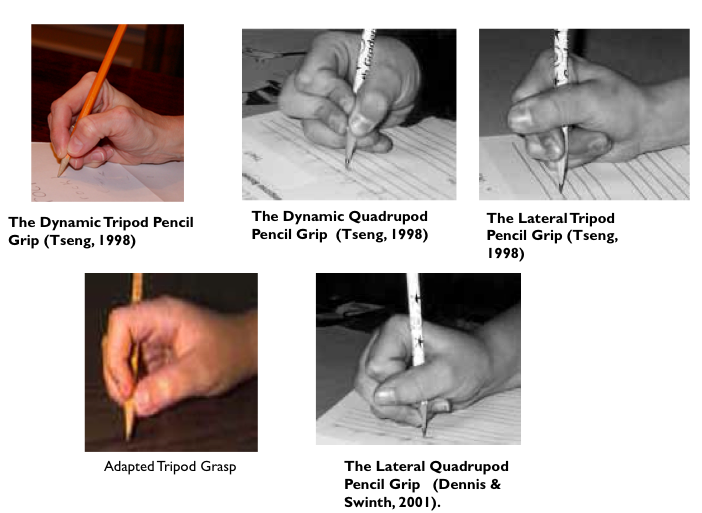
Pediatric Occupational Therapy Tips Functional Pencil Grasps

Occupational Therapy Newsletter Grasp Patterns How Can We Promote

Development of pencil grasp Pre writing activities, Occupational
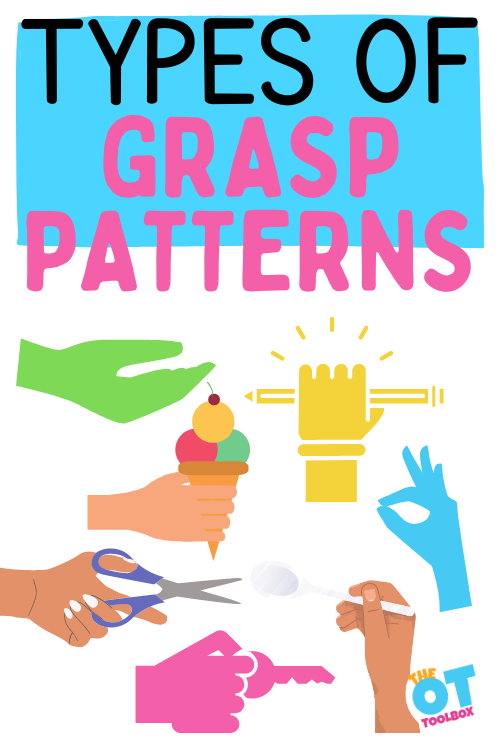
Grasp Patterns The OT Toolbox

Pencil Grasp Basics An Infographic The Anonymous OT Occupational

Your Kids OT blog Your Kids OT Pencil grasp, Handwriting activities

Development of Grasp Pediatric therapy, Development, Pediatric

grasp patterns Types Of Hands, Pencil Grip, Pediatric Ot, Grip Strength
Web We Will Explore The Types Of Grasp Patterns (Lateral Key, Hook, Cylindrical, Pincer, Etc.) And Offer Activities To Support Development Of Each Grasp Pattern.
Web Grasp Patterns Are Another Part Of Development That Occurs From 1 To 7 Years Old.
Here Are Names Of Pencil Grasps And The Ages That You Will See Each Grasp.
The Palmar Grasp Reflex Is Present In Newborns And Lasts Until About 5 Months.
Related Post: