
Inverse Head And Shoulders Pattern
Inverse Head And Shoulders Pattern - Web the head and shoulders chart pattern is a price reversal pattern that helps traders identify when a reversal may be underway after a trend is exhausted. The right shoulder on these patterns typically is higher than the left, but many times it’s equal. The opposite of a head and shoulders chart is the inverse head and shoulders, also called a head and shoulders bottom. Web inverse head and shoulders. Web the inverse head and shoulders pattern is one of the most accurate technical analysis reversal patterns, with a reliability of 89%. It represents a bullish signal suggesting a potential reversal of a current downtrend. It occurs when the price hits new lows on three separate occasions, with two lows forming the shoulders and the central trough forming the head. Web the inverse head and shoulders, or the head and shoulders bottom, is a popular chart pattern used in technical analysis. This reversal could signal an end of an uptrend or downtrend. The pattern consists of 3. The right shoulder on these patterns typically is higher than the left, but many times it’s equal. Web inverse head and shoulders. Web the inverse head and shoulders pattern is a bullish candlestick formation that occurs at the end of a downward trend and potentially signals the end of a trend and the beginning of a new upward trend. Web the inverse head and shoulders pattern is one of the most accurate technical analysis reversal patterns, with a reliability of 89%. This pattern is formed when an asset’s price creates a low (the “left shoulder”), followed by a lower low (the “head”), and then a higher low (the “right shoulder”). It is of two types: Web an inverse head and shoulders is an upside down head and shoulders pattern and consists of a low, which makes up the head, and two higher low peaks that make up the left and right shoulders. It is the opposite version of the head and shoulders pattern (which is a bearish reversal pattern) and has a similar structure and logic as the. Head & shoulder and inverse head & shoulder. Following this, the price generally goes to the upside and starts a new uptrend. Web an inverse head and shoulders, also called a head and shoulders bottom or a reverse head and shoulders, is inverted with the head and shoulders top used to predict reversals in downtrends. The opposite of a head and shoulders chart is the inverse head and shoulders, also called a head and shoulders bottom. It represents a bullish signal suggesting. It represents a bullish signal suggesting a potential reversal of a current downtrend. It is of two types: This pattern is formed when an asset’s price creates a low (the “left shoulder”), followed by a lower low (the “head”), and then a higher low (the “right shoulder”). The right shoulder on these patterns typically is higher than the left, but. Web an inverse head and shoulders is an upside down head and shoulders pattern and consists of a low, which makes up the head, and two higher low peaks that make up the left and right shoulders. It occurs when the price hits new lows on three separate occasions, with two lows forming the shoulders and the central trough forming. It is of two types: This reversal could signal an end of an uptrend or downtrend. Web the inverse head and shoulders pattern is a reversal pattern in stock trading. It represents a bullish signal suggesting a potential reversal of a current downtrend. Head & shoulder and inverse head & shoulder. Web the inverse head and shoulders pattern is a bullish candlestick formation that occurs at the end of a downward trend and potentially signals the end of a trend and the beginning of a new upward trend. Web inverse head and shoulders. It is of two types: Head & shoulder and inverse head & shoulder. Web the inverse head and. Web the inverse head and shoulders pattern is a bullish candlestick formation that occurs at the end of a downward trend and potentially signals the end of a trend and the beginning of a new upward trend. Web the inverse head and shoulders pattern is a reversal pattern in stock trading. It is the opposite version of the head and. It is of two types: It is inverted with the head. The pattern consists of 3. This pattern is formed when an asset’s price creates a low (the “left shoulder”), followed by a lower low (the “head”), and then a higher low (the “right shoulder”). Web the inverse head and shoulders pattern is a bullish candlestick formation that occurs at. It is of two types: This pattern is formed when an asset’s price creates a low (the “left shoulder”), followed by a lower low (the “head”), and then a higher low (the “right shoulder”). Following this, the price generally goes to the upside and starts a new uptrend. It represents a bullish signal suggesting a potential reversal of a current. Web the inverse head and shoulders, or the head and shoulders bottom, is a popular chart pattern used in technical analysis. Web inverse head and shoulders. It is of two types: Following this, the price generally goes to the upside and starts a new uptrend. It is inverted with the head. Web the inverse head and shoulders pattern is one of the most accurate technical analysis reversal patterns, with a reliability of 89%. It is inverted with the head. The pattern consists of 3. It is the opposite version of the head and shoulders pattern (which is a bearish reversal pattern) and has a similar structure and logic as the. Web. Web the inverse head and shoulders pattern is one of the most accurate technical analysis reversal patterns, with a reliability of 89%. Web an inverse head and shoulders, also called a head and shoulders bottom or a reverse head and shoulders, is inverted with the head and shoulders top used to predict reversals in downtrends. It is of two types: It is inverted with the head. Web an inverse head and shoulders pattern is a technical analysis pattern that signals a potential trend reversal in a downtrend. Web the inverse head and shoulders, or the head and shoulders bottom, is a popular chart pattern used in technical analysis. Following this, the price generally goes to the upside and starts a new uptrend. Web the inverse head and shoulders pattern is a bullish candlestick formation that occurs at the end of a downward trend and potentially signals the end of a trend and the beginning of a new upward trend. Head & shoulder and inverse head & shoulder. Web an inverse head and shoulders is an upside down head and shoulders pattern and consists of a low, which makes up the head, and two higher low peaks that make up the left and right shoulders. It occurs when the price hits new lows on three separate occasions, with two lows forming the shoulders and the central trough forming the head. It is the opposite version of the head and shoulders pattern (which is a bearish reversal pattern) and has a similar structure and logic as the. Web inverse head and shoulders. Web the inverse head and shoulders pattern is a reversal pattern in stock trading. It represents a bullish signal suggesting a potential reversal of a current downtrend. This reversal could signal an end of an uptrend or downtrend.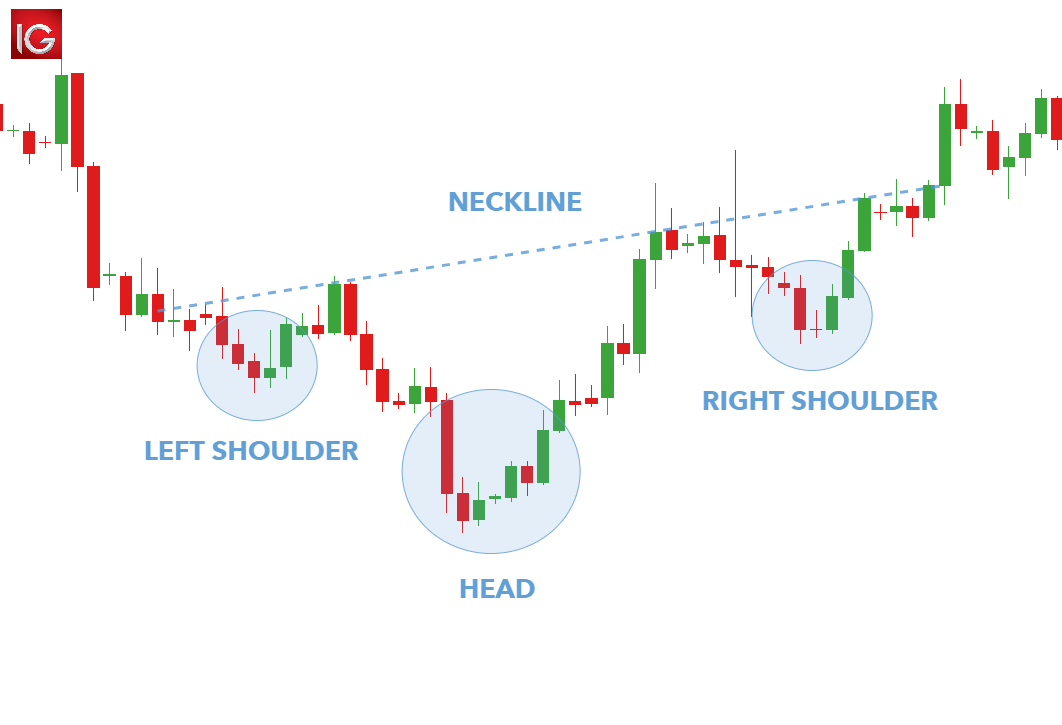
The Head and Shoulders Pattern A Trader’s Guide

Inverse Head and Shoulders Chart Pattern in 2020 Trading charts

INVERSE HEAD and SHOULDERS Chart Pattern

How To Trade Blog What is Inverse Head and Shoulders Pattern

Pattern In A Chart Double Tops & Bottoms, Head and Shoulders, Wedge
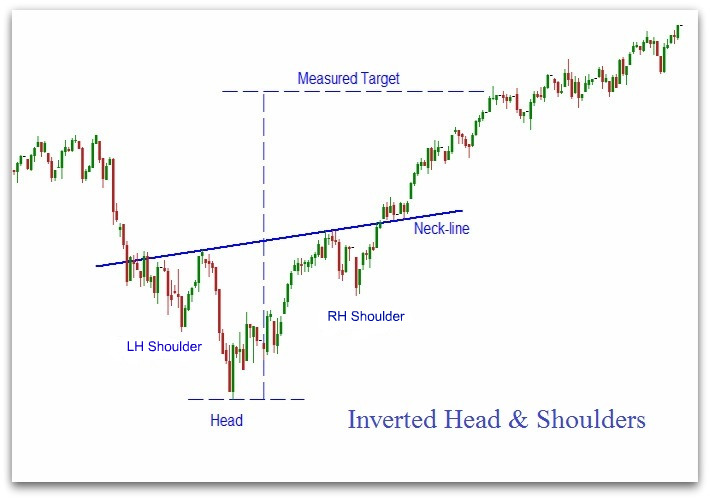
Inverse Head And Shoulders Chart Pattern A Visual Reference of Charts
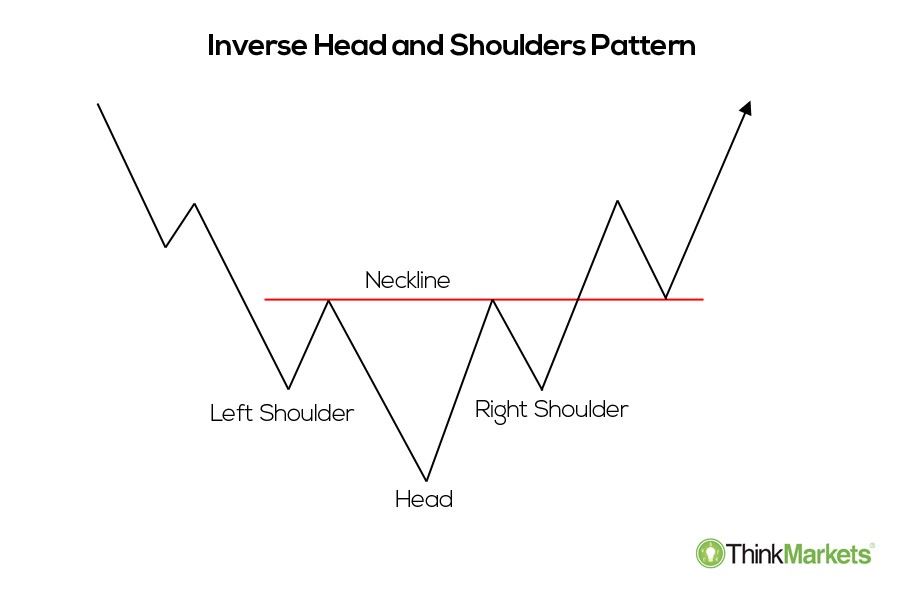
Head and Shoulders Trading Patterns ThinkMarkets EN
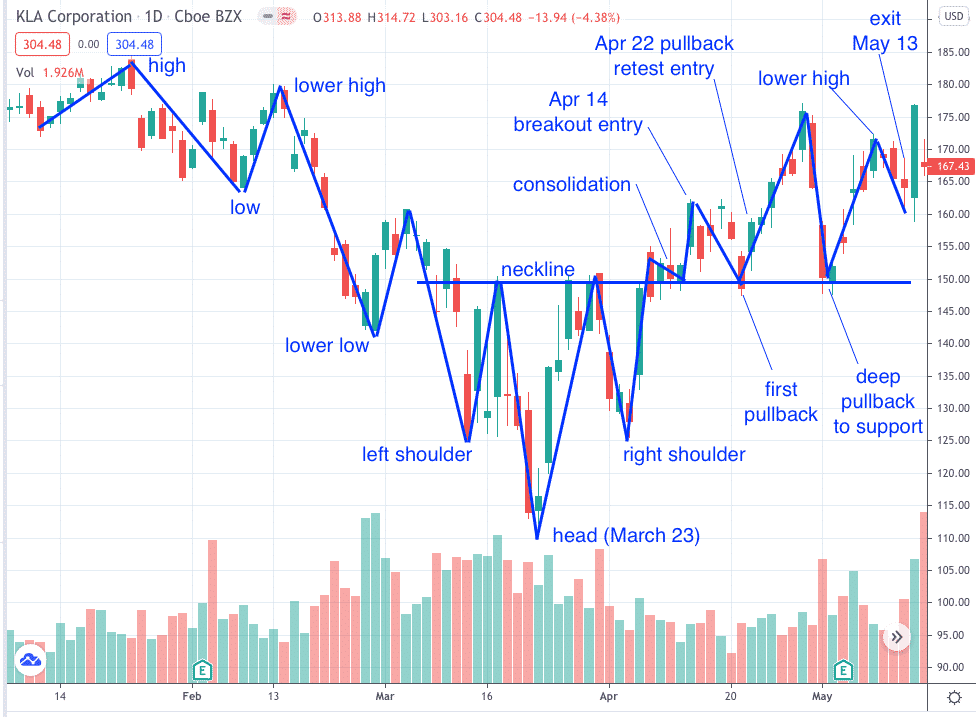
Inverse Head and Shoulders Pattern How To Spot It
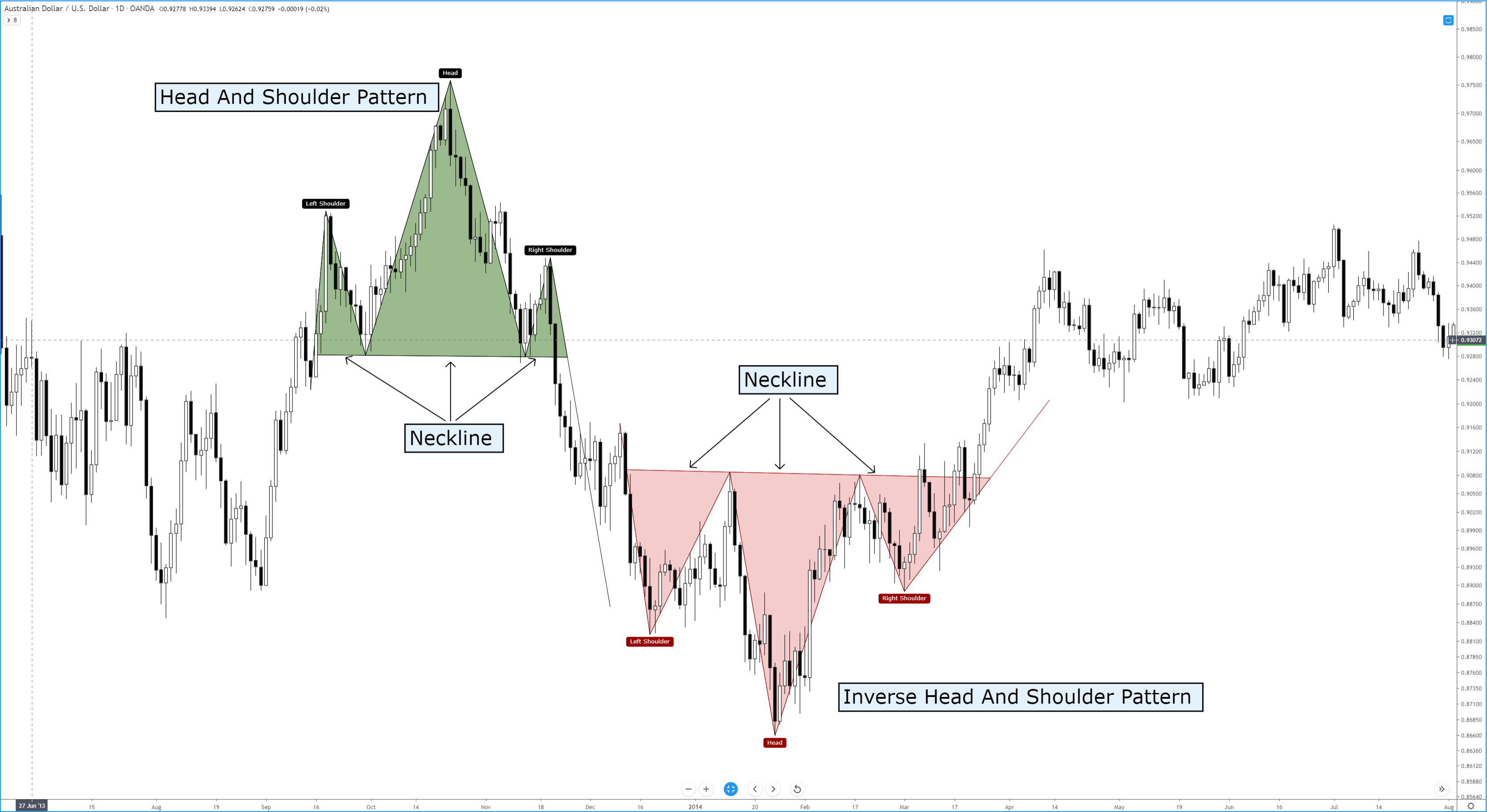
Chart Patterns The Head And Shoulders Pattern Forex Academy

How to Use Head and Shoulders Pattern (Chart Pattern Part 1)
Web The Head And Shoulders Chart Pattern Is A Price Reversal Pattern That Helps Traders Identify When A Reversal May Be Underway After A Trend Is Exhausted.
The Opposite Of A Head And Shoulders Chart Is The Inverse Head And Shoulders, Also Called A Head And Shoulders Bottom.
The Right Shoulder On These Patterns Typically Is Higher Than The Left, But Many Times It’s Equal.
This Pattern Is Formed When An Asset’s Price Creates A Low (The “Left Shoulder”), Followed By A Lower Low (The “Head”), And Then A Higher Low (The “Right Shoulder”).
Related Post: