
Bwo Nymph Patterns
Bwo Nymph Patterns - Trout are masters of efficiency and will position themselves in the water column based on where the food is. Juju baetis, rainbow warriors, stalcups baetis nymph, and the classic pheasant tail Web like all mayflies, the bwo has four life stages which anglers can imitate with their fly patterns: In this video, fly tyer contributor, barry clarke teaches us to tie this effective pattern. Before the hatch, bwo nymph patterns can be incredibly successful. The jig hook design almost eliminates snags on the bottom, which allows you to lengthen the dropper to stay closer to the bottom. And weight is important, too, as the nymphs leave the river bed and the subsurface vegetation. Web the blue winged olive (bwo) nymph is a a classic pattern that has proved itself time and time again on the water. Web the classic bwo nymph pattern is a pheasant tail (or some variation of it). These are designed to imitate the insect as it transitions from nymph to adult. They are excellent used in. This awesome bwo nymph sinks rapidly and stays in the zone. While they are vital during times of emergence, they function as a great searching nymph any time you need a smaller pattern. Its ability to mimic natural prey, adapt to diverse fishing conditions, and maintain durability make it. There are many other nymphs that work well when bwos are hatching, and the pheasant's tail in all its variations is a. Web available in size 16,18, and 20. This bwo nymph is as simple of a fly pattern as they come but oh so. Web the bubble back bwo is tied to imitate an ascending baetis nymph surfacing to hatch and is one of his most productive bwo nymphs. And weight is important, too, as the nymphs leave the river bed and the subsurface vegetation. Web choose a variety of flies for covering the different life cycles that we discussed above: Each stage offers an array of possible patterns, and while some prove more effective, it ultimately depends on personal preference. Web it’s important to be dialed in on size and profile with these nymphs. There are many other nymphs that work well when bwos are hatching, and the pheasant's tail in all its variations is a. Web kelly's bwo nymph. Web the blue winged olive a great fly for trout & grayling fishing that always has a place in my fly box. While they are vital during times of emergence, they function as a great searching nymph any time you need a smaller pattern. The jig hook design almost eliminates snags on the bottom, which allows you to lengthen the. These flies hatch in the evenings and afternoons so a bwo nymph is going to be a great searching pattern if you don’t see anything rising. Turning stones fly fishing, llc. They are excellent used in. Trout are masters of efficiency and will position themselves in the water column based on where the food is. Web the blue winged olive. Web the bubble back bwo is tied to imitate an ascending baetis nymph surfacing to hatch and is one of his most productive bwo nymphs. Feeding fish will usually take one or the other, and sometimes both. Web the bwo nymphs are mostly brown and sometimes olive in color. Order the blue winged olive nymph fly pattern today! Trout are. Trout are masters of efficiency and will position themselves in the water column based on where the food is. Web the perdigon nymph has become missoula’s hottest fly style, and has been working all across montana. Each stage offers an array of possible patterns, and while some prove more effective, it ultimately depends on personal preference. Web the blue winged. Before the hatch, bwo nymph patterns can be incredibly successful. These flies hatch in the evenings and afternoons so a bwo nymph is going to be a great searching pattern if you don’t see anything rising. The jig hook design almost eliminates snags on the bottom, which allows you to lengthen the dropper to stay closer to the bottom. Web. Web available in size 16,18, and 20. This fly pattern is an absolute workhorse when blue wing olives are moving beneath the surface. Web kelly's bwo nymph has been a staple for us for well over a decade, and is an absolute killer when bwo's are around.you can purchase galloup's bwo nymph here:. 23k views 7 years ago. Web be. In this video, fly tyer contributor, barry clarke teaches us to tie this effective pattern. Web kelly's bwo nymph has been a staple for us for well over a decade, and is an absolute killer when bwo's are around.you can purchase galloup's bwo nymph here:. Web the bwo perdigon nymph is a shining example of the ingenuity that emerges from. The jig hook design almost eliminates snags on the bottom, which allows you to lengthen the dropper to stay closer to the bottom. Web like all mayflies, the bwo has four life stages which anglers can imitate with their fly patterns: This bwo nymph is as simple of a fly pattern as they come but oh so. Regardless of the. In this video, fly tyer contributor, barry clarke teaches us to tie this effective pattern. Trout are masters of efficiency and will position themselves in the water column based on where the food is. One of the best emerger patterns is craig matthews’ little olive sparkle dun. These are designed to imitate the insect as it transitions from nymph to. Web available in size 16,18, and 20. In this video, fly tyer contributor, barry clarke teaches us to tie this effective pattern. Nymph, emerger, dun, and spinner (including spent spinner). The jig hook design almost eliminates snags on the bottom, which allows you to lengthen the dropper to stay closer to the bottom. Its ability to mimic natural prey, adapt to diverse fishing conditions, and maintain durability make it. Web be sure to fish the nymph patterns in the morning or any time before the hatch. Web the bwo nymphs are mostly brown and sometimes olive in color. Web the classic bwo nymph pattern is a pheasant tail (or some variation of it). These are fished below the surface, ideally near the bottom of the stream where the natural nymphs live. Web like all mayflies, the bwo has four life stages which anglers can imitate with their fly patterns: Trout are masters of efficiency and will position themselves in the water column based on where the food is. Web the blue winged olive a great fly for trout & grayling fishing that always has a place in my fly box. 23k views 7 years ago. For the dun stage, a parachute adams will often work as well as a parachute bwo. This bwo nymph is as simple of a fly pattern as they come but oh so. 8 fly patterns are covered, which successfully imitate the nymph, dun, and spinner stages of its life cycle.
BWO nymph Nymph, Fly tying patterns, Pattern
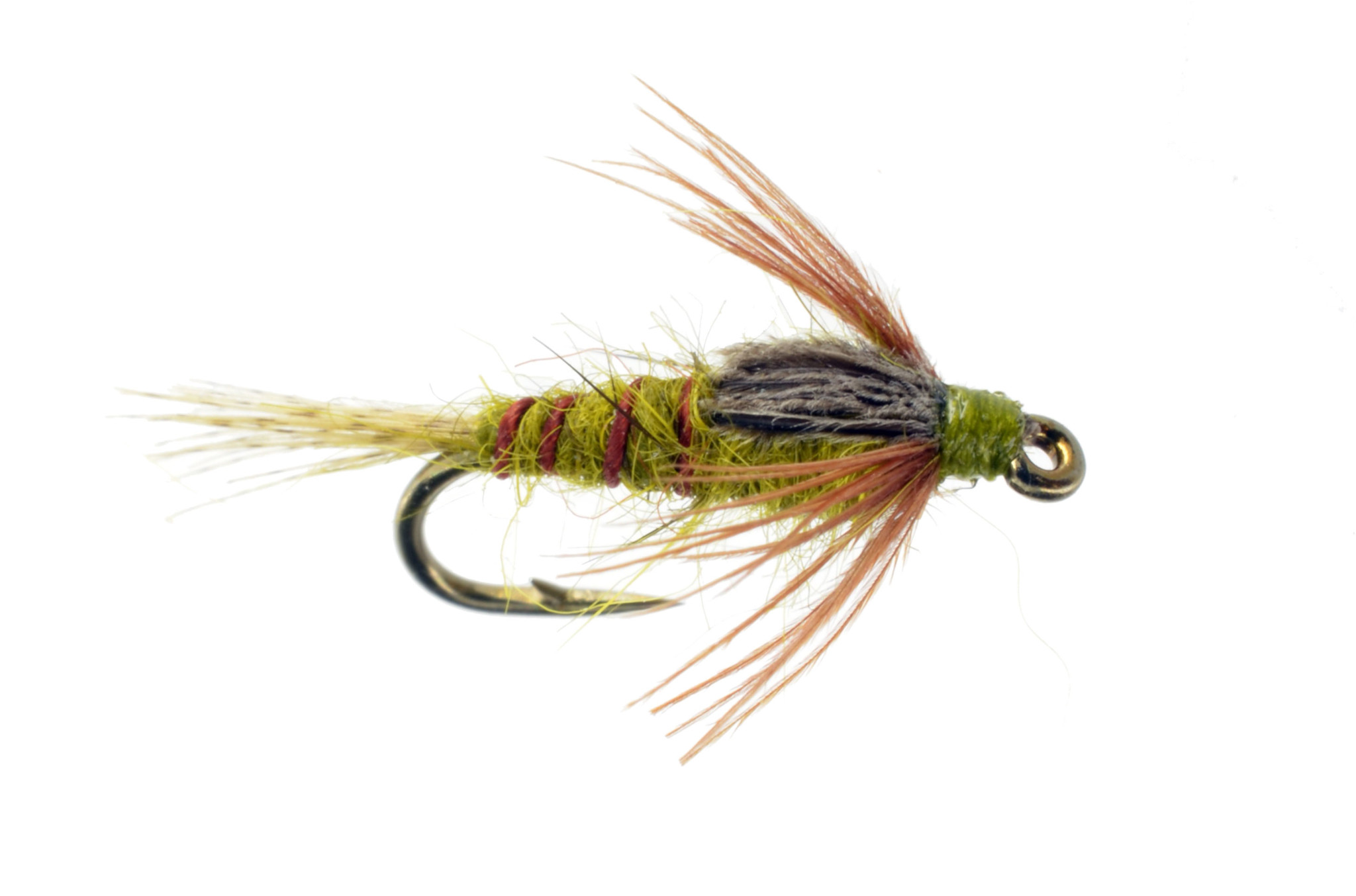
Baetis BWO Nymph Bighorn Flies

BlueWinged Olive (BWO) Nymph Fly Pattern Database Maine Fly Fish

FLY TYING BWO PERDIGON NYMPH WITH DEB PASKALL YouTube

BWO PopUp Nymph 2 William Anderson (Spider

cp's fly fishing and fly tying New mayfly nymph pattern BWO colors
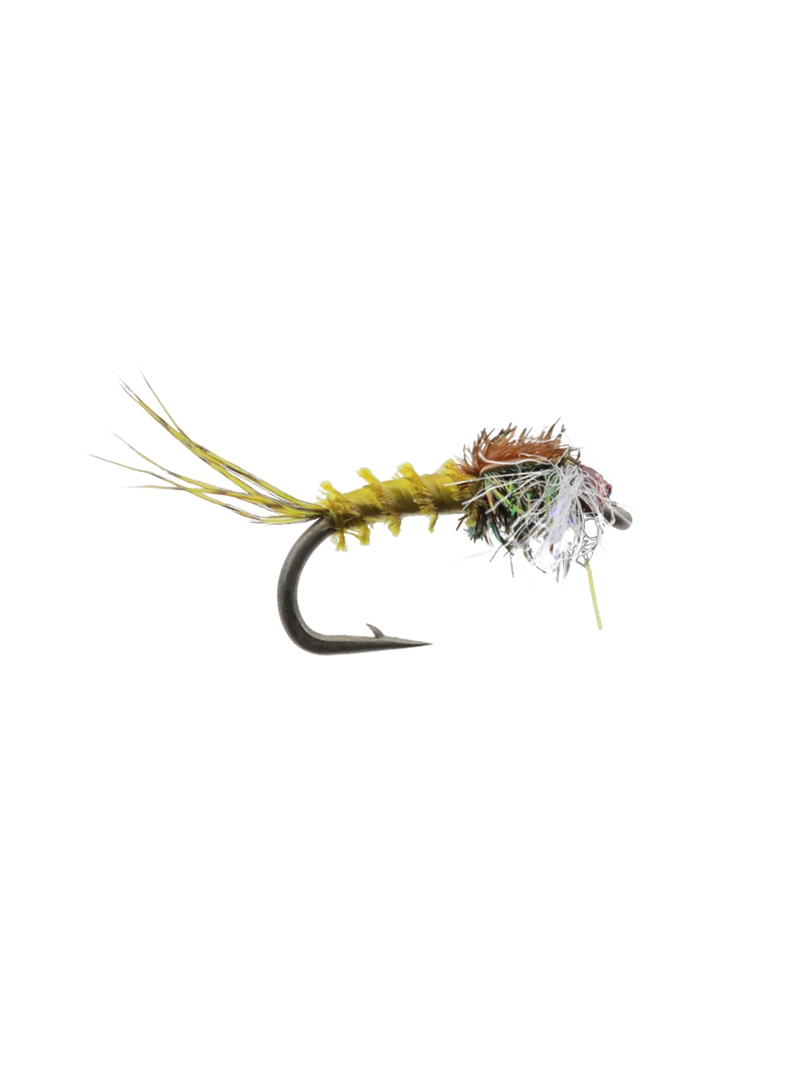
Kelly Galloup's BWO Nymph

Galloup's BWO Nymph Galloup's Slide Inn Mayfly Nymphs Fly tying

My Trout Fly Split wing case BWO nymph

Top Three BWO Patterns How to Tie Barr's Vis A Dun, Puff Dady Emerger
These Are Designed To Imitate The Insect As It Transitions From Nymph To Adult.
Blue Winged Olive Parachute Flies Are Very Popular In Fly Fishing Due To Their Combination Of Visibility And Fishability.
Juju Baetis, Rainbow Warriors, Stalcups Baetis Nymph, And The Classic Pheasant Tail
Web The Perdigon Nymph Has Become Missoula’s Hottest Fly Style, And Has Been Working All Across Montana.
Related Post: