
Brown Eye Iris Patterns
Brown Eye Iris Patterns - Web i see a blue summer base, with an olive overlay (autumn), plus a brown aztec sun (autumn). Web the bey2 gene has one allele for brown eyes and one for blue eyes. Web a person’s iris patterns are a more accurate identifier than fingerprints. The color of an iris is determined by the pigment in the cells of the iris, and this pigment can be one of several colors, including brown, green, blue, or hazel. Most of the time eye color is categorized as blue, green/hazel, or brown. Web dark, medium, or lighter brown describe the hematogenic iris constitution. Ancestrydna® traits can tell how genetics impact your eye’s type of iris patterns. Web the brown color comes from melanin, a pigment in our eyes that also gives a brown color to hair, skin and other cells. The allele for brown eyes is the most dominant allele and is always dominant over the other. Web when a patient walks in with one green iris and one brown iris, or one light brown and one dark brown, the darker iris could have melanocytosis, which is a. One notable trait of spring eye patterns is the high contrast. Web dark, medium, or lighter brown describe the hematogenic iris constitution. Web the brown color comes from melanin, a pigment in our eyes that also gives a brown color to hair, skin and other cells. Web the color of the iris ranges on a continuum from very light blue to dark brown. Web i see a blue summer base, with an olive overlay (autumn), plus a brown aztec sun (autumn). Web perhaps you have a white or blueish grey ring around your cornea that makes your iris, the colored part of the eye, appear lighter? The dense pigment layer of varying thickness overlays and obscures iris fibers that are otherwise. To clarify, the iris pattern is determined by. The presence of melanin pigment within the iris is responsible for the visual impression of human eye colouration with complex patterns also evident in this tissue,. There are nearly 2,000 genes that impact the development of each person’s iris, including its color and its pattern. Web the most common eye colors observed in this season include light brown, green, and hazel tones. Brown is the most frequent. Web the brown color comes from melanin, a pigment in our eyes that also gives a brown color to hair, skin and other cells. Web sufficient amounts of melanin will make your iris brown. Web the bey2 gene. These color spots, which can range from yellow to. From the most common to the rarest, we’ll delve into the. Web brown irises have the same layer with more melanin and appear brown while complete absence of melanin (albinism), the iris appears red from the red of the. Web sufficient amounts of melanin will make your iris brown. The colored. Web the bey2 gene has one allele for brown eyes and one for blue eyes. The color of an iris is determined by the pigment in the cells of the iris, and this pigment can be one of several colors, including brown, green, blue, or hazel. The allele for brown eyes is the most dominant allele and is always dominant. Web a person’s iris patterns are a more accurate identifier than fingerprints. There are nearly 2,000 genes that impact the development of each person’s iris, including its color and its pattern. Web i see a blue summer base, with an olive overlay (autumn), plus a brown aztec sun (autumn). One notable trait of spring eye patterns is the high contrast.. Web when a patient walks in with one green iris and one brown iris, or one light brown and one dark brown, the darker iris could have melanocytosis, which is a. To clarify, the iris pattern is determined by. Web i see a blue summer base, with an olive overlay (autumn), plus a brown aztec sun (autumn). Web the bey2. Most of the time eye color is categorized as blue, green/hazel, or brown. Web when a patient walks in with one green iris and one brown iris, or one light brown and one dark brown, the darker iris could have melanocytosis, which is a. Web a person’s iris patterns are a more accurate identifier than fingerprints. Web to kick off. To clarify, the iris pattern is determined by. According to scientists, everyone used to have brown eyes. Brown is the most frequent. There are nearly 2,000 genes that impact the development of each person’s iris, including its color and its pattern. Most of the time eye color is categorized as blue, green/hazel, or brown. I would say you're an autumn, possibly a true or soft autumn. Web i see a blue summer base, with an olive overlay (autumn), plus a brown aztec sun (autumn). Web dark, medium, or lighter brown describe the hematogenic iris constitution. Web the most common eye colors observed in this season include light brown, green, and hazel tones. The allele. Web i see a blue summer base, with an olive overlay (autumn), plus a brown aztec sun (autumn). Brown is the most frequent. Web perhaps you have a white or blueish grey ring around your cornea that makes your iris, the colored part of the eye, appear lighter? Web the brown color comes from melanin, a pigment in our eyes. Web sufficient amounts of melanin will make your iris brown. One notable trait of spring eye patterns is the high contrast. 3 however, an unusual mutation. Web perhaps you have a white or blueish grey ring around your cornea that makes your iris, the colored part of the eye, appear lighter? Ancestrydna® traits can tell how genetics impact your eye’s. There are nearly 2,000 genes that impact the development of each person’s iris, including its color and its pattern. Web perhaps you have a white or blueish grey ring around your cornea that makes your iris, the colored part of the eye, appear lighter? Web when a patient walks in with one green iris and one brown iris, or one light brown and one dark brown, the darker iris could have melanocytosis, which is a. Web i see a blue summer base, with an olive overlay (autumn), plus a brown aztec sun (autumn). Ancestrydna® traits can tell how genetics impact your eye’s type of iris patterns. 3 however, an unusual mutation. The allele for brown eyes is the most dominant allele and is always dominant over the other. Web dark, medium, or lighter brown describe the hematogenic iris constitution. Web eye colour, or more correctly iris colour, is often used as an example for teaching mendelian genetics, with brown being dominant and blue being recessive. Web to kick off our exploration, we’ll showcase a gallery of stunning iris photographs, featuring eyes of various colours. The colored part of the eye is called the iris. From the most common to the rarest, we’ll delve into the. Web the most common eye colors observed in this season include light brown, green, and hazel tones. Most of the time eye color is categorized as blue, green/hazel, or brown. The color of an iris is determined by the pigment in the cells of the iris, and this pigment can be one of several colors, including brown, green, blue, or hazel. Web a person’s iris patterns are a more accurate identifier than fingerprints.
What is iris color chart? iriscope iridology camera iriscope

Brown iris (Elena 2015) Iris, Iridology, Eyes

Figure 2 from of human iris colour and patterns. Semantic

22 photos iridology before and after iriscope iridology camera

Eye Iris Patterns

The 4 Main Types of Iris Patterns You Should Know (With Images)
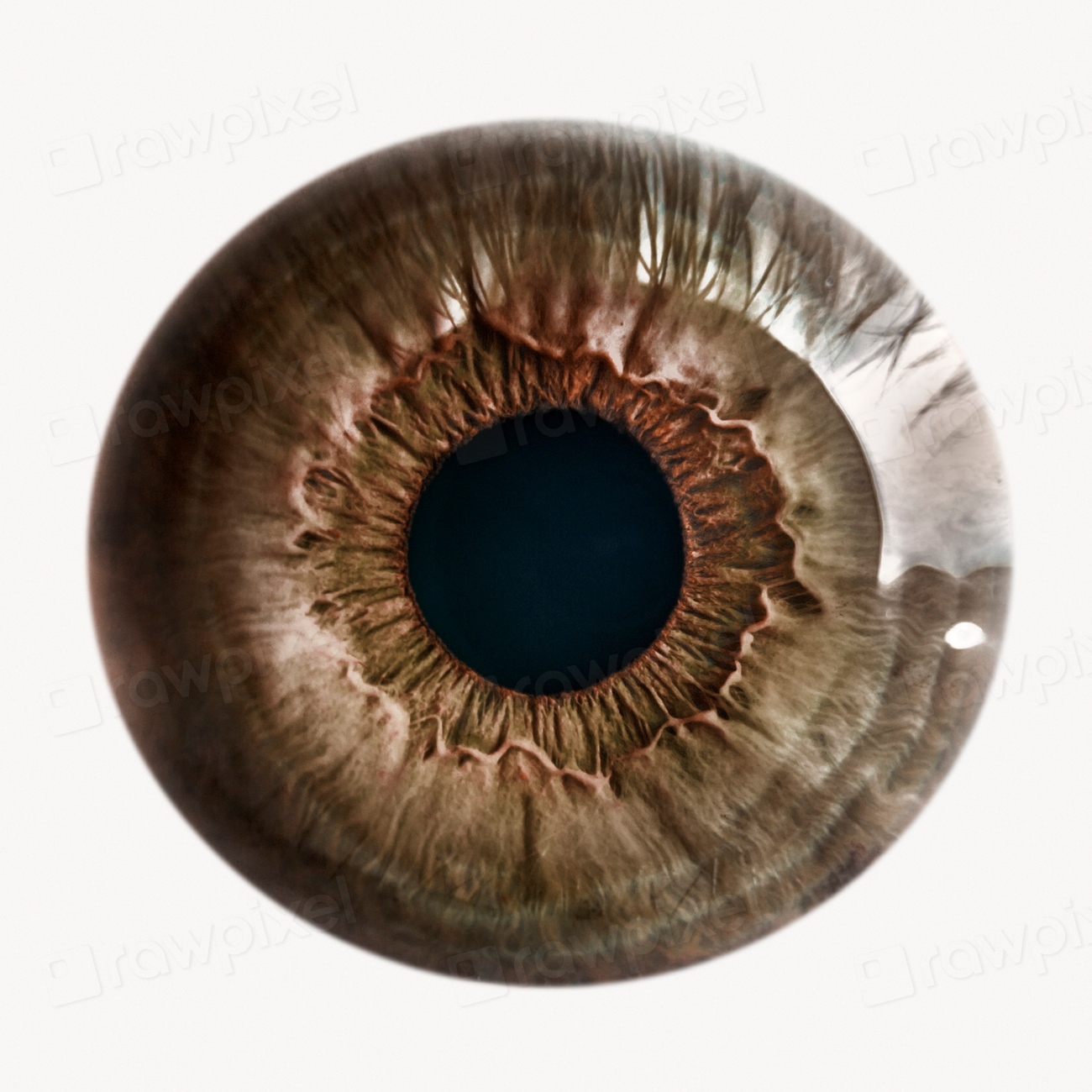
Brown eye iris, iridology isolated Premium Photo rawpixel

A Iris Signs Chart 3 Iridology, Eye color chart, Rare eye colors

The 4 Main Types of Iris Patterns You Should Know (With Images)

Eye Iris Patterns
Web The Color Of The Iris Ranges On A Continuum From Very Light Blue To Dark Brown.
The Dense Pigment Layer Of Varying Thickness Overlays And Obscures Iris Fibers That Are Otherwise.
One Notable Trait Of Spring Eye Patterns Is The High Contrast.
Web Sufficient Amounts Of Melanin Will Make Your Iris Brown.
Related Post: