
Alveolar Pattern Dog
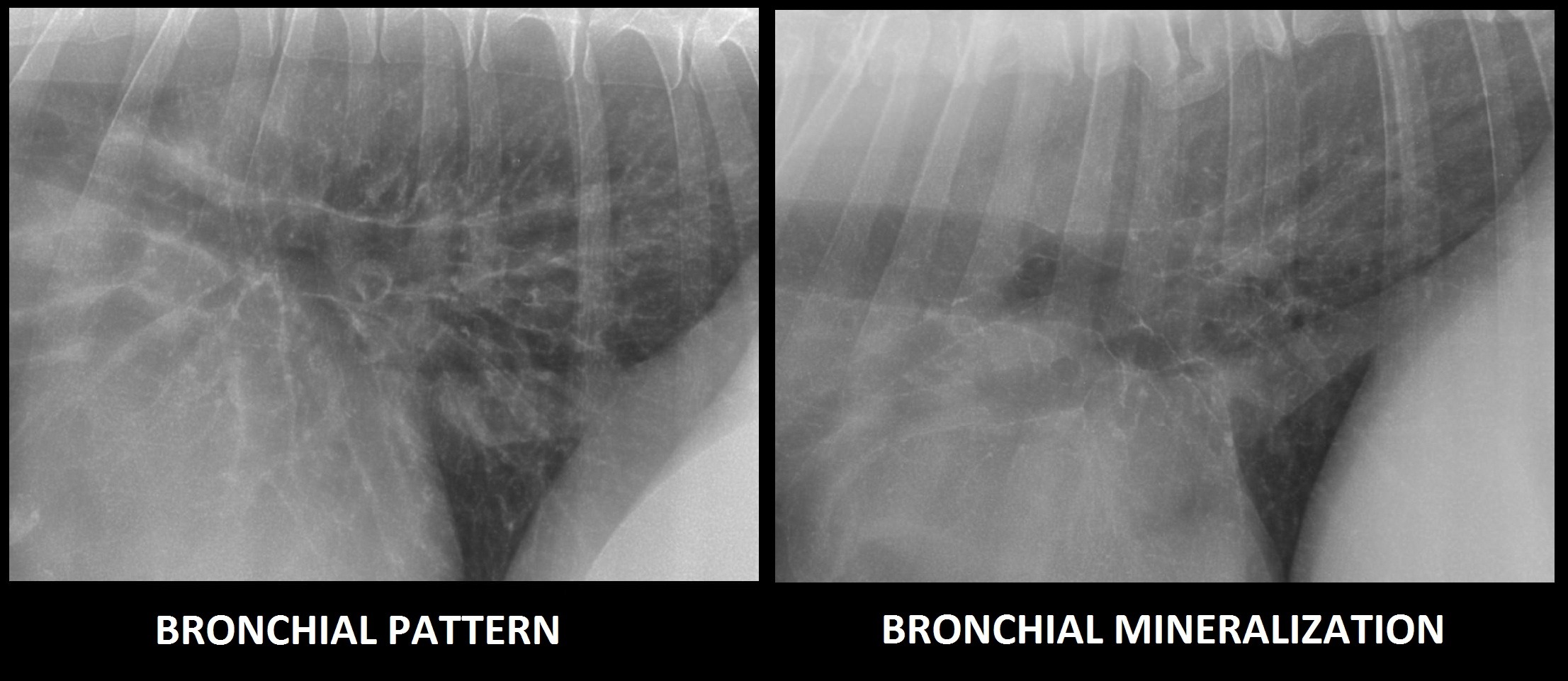
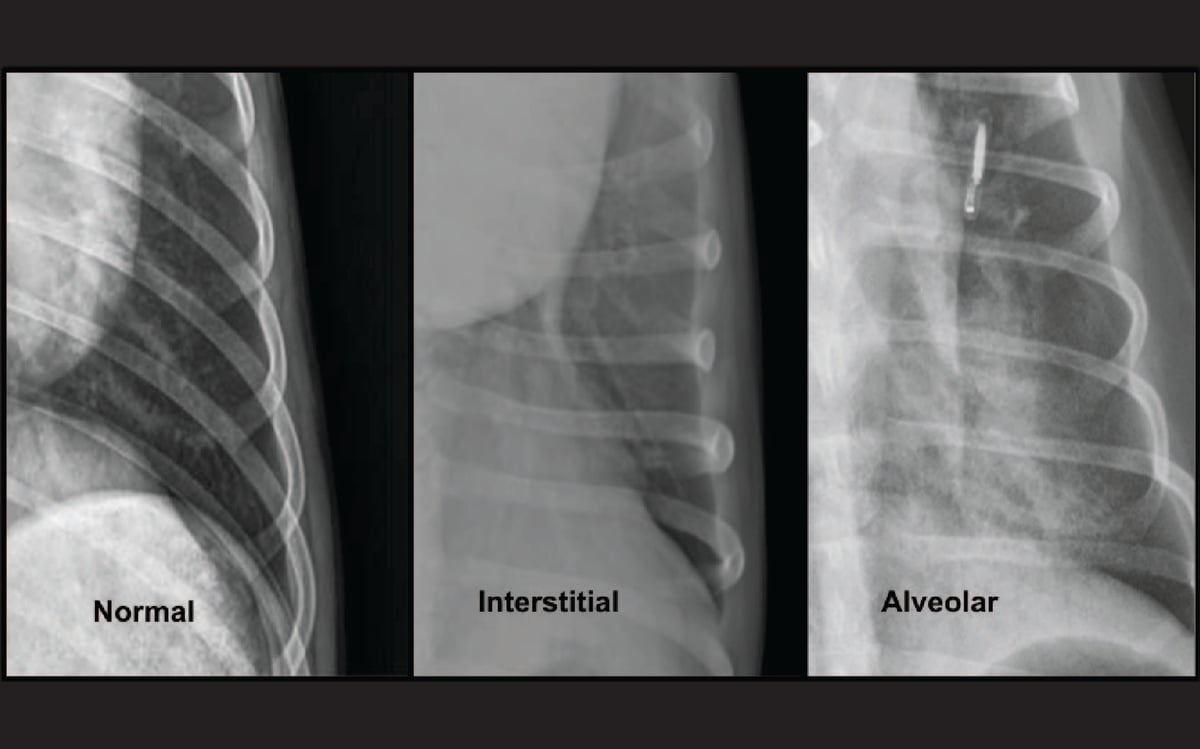
Alveolar Pattern Dog - Following stabilization of the patient with oxygen, radiography plays a very valuable role in. Web left lateral thoracic radiograph of a dog with bronchopneumonia pneumonia. Web the alveolar pattern is indicative of lack of air in the alveoli. Craniodorsal view (a) and left craniolateral view (b). An alveolar pattern is noted ventrally (right cranial and right middle lung lobes). Web a bronchial and bronchointerstitial pattern are the most common radiographic lung patterns seen in canine eosinophilic bronchopneumopathy with these patterns most frequently topographically distributed to at least the caudodorsal lung field. Characterized by the lobar sign, air bronchograms and border effacement. Furthermore, within the caudodorsal lung field, a bronchointerstitial pattern predominates. Web the lung pattern you are dealing with is an alveolar lung pattern. Air bronchograms are visible extending into the right middle lobe. Air bronchograms and lobar signs may also be present. The patient was hospitalized for supportive care and received iv fluids, cough suppressant, and antibiotic therapy (ie, enrofloxacin, doxycycline). Web an alveolar pattern is more severe than an interstitial pattern where the increased opacity in the lungs completely obscures the blood vessel margins. Differential diagnoses for alveolar patterns are similar to those for interstitial patterns. Web bacterial pneumonia is a common clinical diagnosis in dogs but seems to occur less often in cats. The airways are made out of cartilage which is radiolucent, but they have some surrounding soft tissue structures that can make them visible. Furthermore, within the caudodorsal lung field, a bronchointerstitial pattern predominates. Characterized by the lobar sign, air bronchograms and border effacement. Pulmonary edema was evident radiographically as an interstitial pattern in 41 of 61 (67.2%) dogs and as mixed interstitialalveolar pattern in 20 of 61 (32.8%) dogs. The most common causes of this pattern are pneumonia, atelectasis, dense edema, or more rarely hemorrhage or some manifestations of neoplasia. A total collapse of the alveoli (atelectasis) leads to a similar appearance. 3d reconstruction skull ct images show the nasomaxillary defect (yellow arrows) from the right lateral view (c), left lateral view (d), and dorsal view (e).also note the alveolar bone loss of left maxillary. Web typical differentials for interstitial and alveolar patterns in dogs include: Upper and lower airway. Web an alveolar lung pattern is an opaque lung that completely obscures the margins of the pulmonary blood vessels. Web thoracic radiographs revealed an alveolar pattern in the left cranial and caudal lung lobes, consistent with pneumonia. This manifest as the inability to see margins of heart, vessels or diaphragm. Alveolar lung pattern it is obtained when the air in. The patient was hospitalized for supportive care and received iv fluids, cough suppressant, and antibiotic therapy (ie, enrofloxacin, doxycycline). Uniform soft tissue opacity, the presence of air bronchograms, a lobar sign, border effacement with the heart or diaphragm and border effacement with the pulmonary vessels and outer serosal wall of. Web alveolar pulmonary pattern an alveolar pattern is the result. Air bronchograms and lobar signs may also be present. Alveolar lung pattern it is obtained when the air in the alveoli is substituted by material with higher density. 3d reconstruction skull ct images show the nasomaxillary defect (yellow arrows) from the right lateral view (c), left lateral view (d), and dorsal view (e).also note the alveolar bone loss of left. Web the components of an alveolar pattern include: Web radiologic features consistent with cardiac enlargement were present in all dogs. The most common causes of this pattern are pneumonia, atelectasis, dense edema, or more rarely hemorrhage or some manifestations of neoplasia. This manifest as the inability to see margins of heart, vessels or diaphragm. Web many patients may have a. This could be exudate, haemorrhage or oedema fluid. Differential diagnoses for alveolar patterns are similar to those for interstitial patterns. An alveolar pattern is noted ventrally (right cranial and right middle lung lobes). An alveolar pulmonary pattern is created when the air within the alveoli is replaced with a material having a higher physical density, thus increasing the radiographic opacity. Web because the changes seen on thoracic radiographs are often indicative of systemic disease (and may be nonspecific), the clinician needs to keep the patient, signalment, physical examination, and other laboratory findings in mind when prioritizing the differential diagnoses. Following stabilization of the patient with oxygen, radiography plays a very valuable role in. Web an alveolar lung pattern is an. Web a bronchial and bronchointerstitial pattern are the most common radiographic lung patterns seen in canine eosinophilic bronchopneumopathy with these patterns most frequently topographically distributed to at least the caudodorsal lung field. Contrary to the other lung patterns a typical distribution helps to choose the most likely diagnosis from the long list of differential diagnosis for an alveolar lung pattern.. Air bronchograms and lobar signs may also be present. Characterized by the lobar sign, air bronchograms and border effacement. Following stabilization of the patient with oxygen, radiography plays a very valuable role in. Differential diagnoses for alveolar patterns are similar to those for interstitial patterns. The silhouette sign (=border effacement) is the hallmark radiographic sign of an alveolar disease. Web thoracic radiographs revealed an alveolar pattern in the left cranial and caudal lung lobes, consistent with pneumonia. Air bronchograms and lobar signs may also be present. Upper and lower airway disease is common in dogs and cats, which can present with similar signs regardless of the location. Web radiologic features consistent with cardiac enlargement were present in all dogs.. Web many patients may have a mixed pattern of breathing characterized by increased inspiratory and expiratory effort, as the disease processes may involve concurrent airway obstruction and altered lung compliance. Web radiologic features consistent with cardiac enlargement were present in all dogs. A total collapse of the alveoli (atelectasis) leads to a similar appearance. Lateral thoracic radiograph from a dog showing an unstructured interstitial pattern. This could be exudate, haemorrhage or oedema fluid. An alveolar pattern is noted ventrally (right cranial and right middle lung lobes). Furthermore, within the caudodorsal lung field, a bronchointerstitial pattern predominates. Web thoracic radiographs revealed an alveolar pattern in the left cranial and caudal lung lobes, consistent with pneumonia. The only distinction these patterns make with regards to clinically relevant information is the severity of the disease. Web a bronchial pattern on radiographs indicates a condition that involves the airways. Web bacterial pneumonia is a common clinical diagnosis in dogs but seems to occur less often in cats. Matthew winter, dacvr will review the radiographic features of lung patterns in dogs and cats as well as the keys to interpreting the meaning of these patterns. Web a bronchial and bronchointerstitial pattern are the most common radiographic lung patterns seen in canine eosinophilic bronchopneumopathy with these patterns most frequently topographically distributed to at least the caudodorsal lung field. The airways are made out of cartilage which is radiolucent, but they have some surrounding soft tissue structures that can make them visible. Uniform soft tissue opacity, the presence of air bronchograms, a lobar sign, border effacement with the heart or diaphragm and border effacement with the pulmonary vessels and outer serosal wall of. The most common causes of this pattern are pneumonia, atelectasis, dense edema, or more rarely hemorrhage or some manifestations of neoplasia.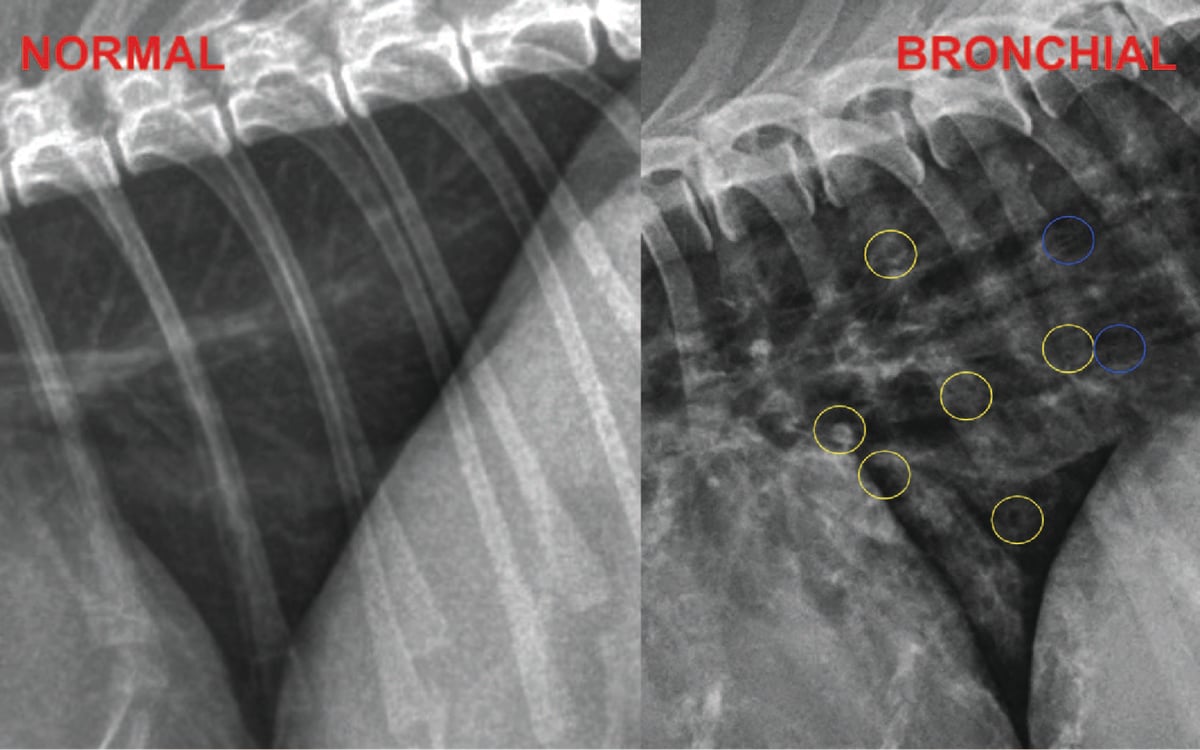
Imaging the Coughing Dog

Figure 6 from Distribution of alveolarinterstitial syndrome in dogs
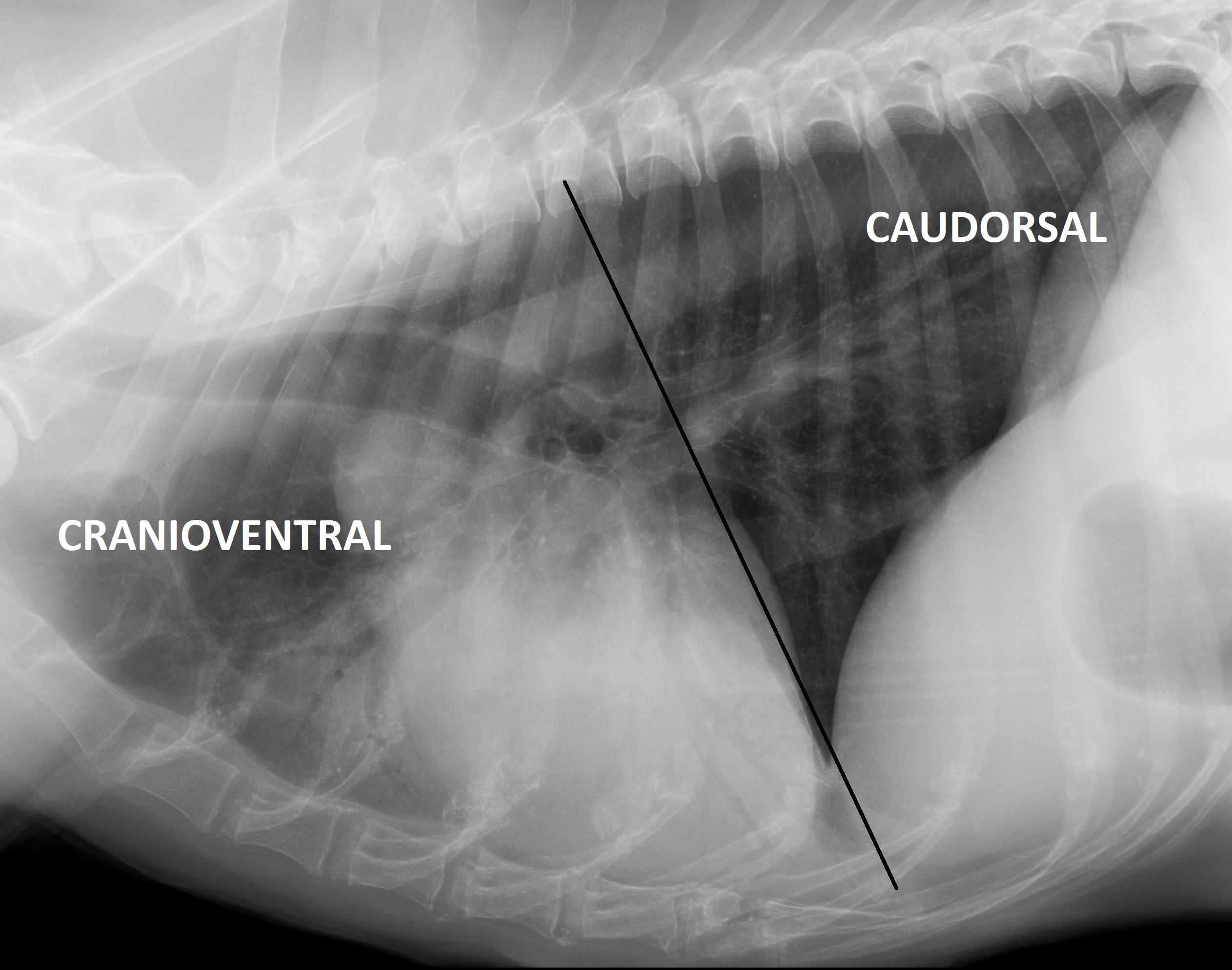
Radiographic Approach to the Coughing Pet • MSPCAAngell

Visual assessment of the classification results of a
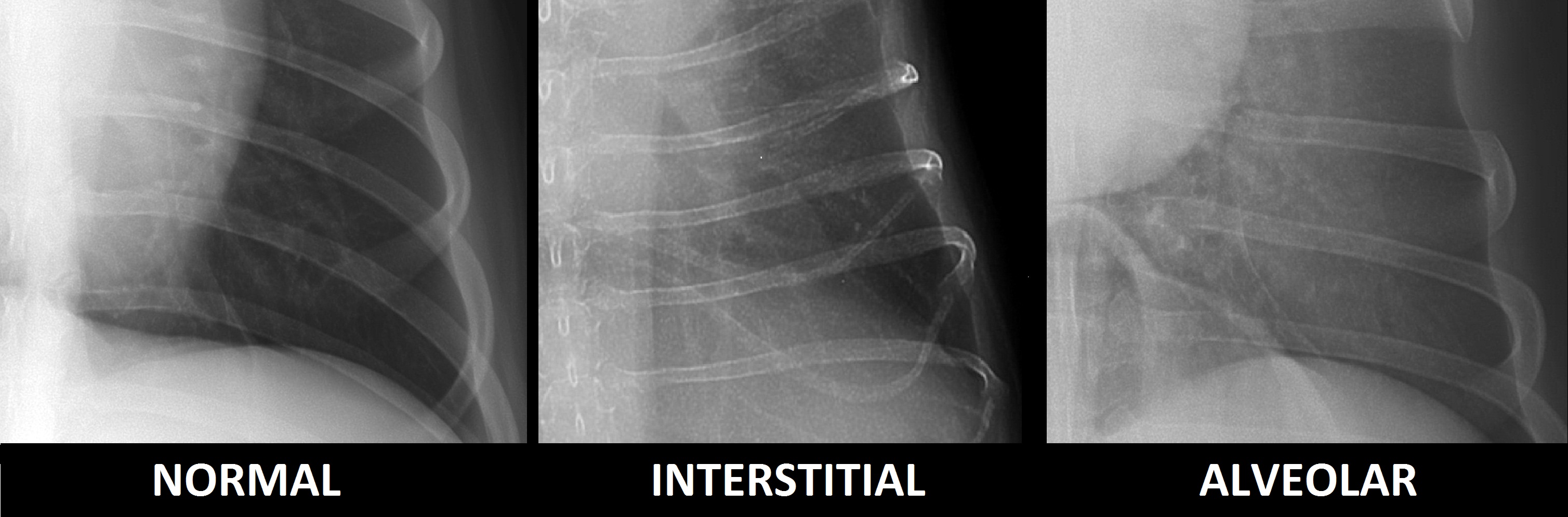
Radiographic Approach to the Coughing Pet • MSPCAAngell
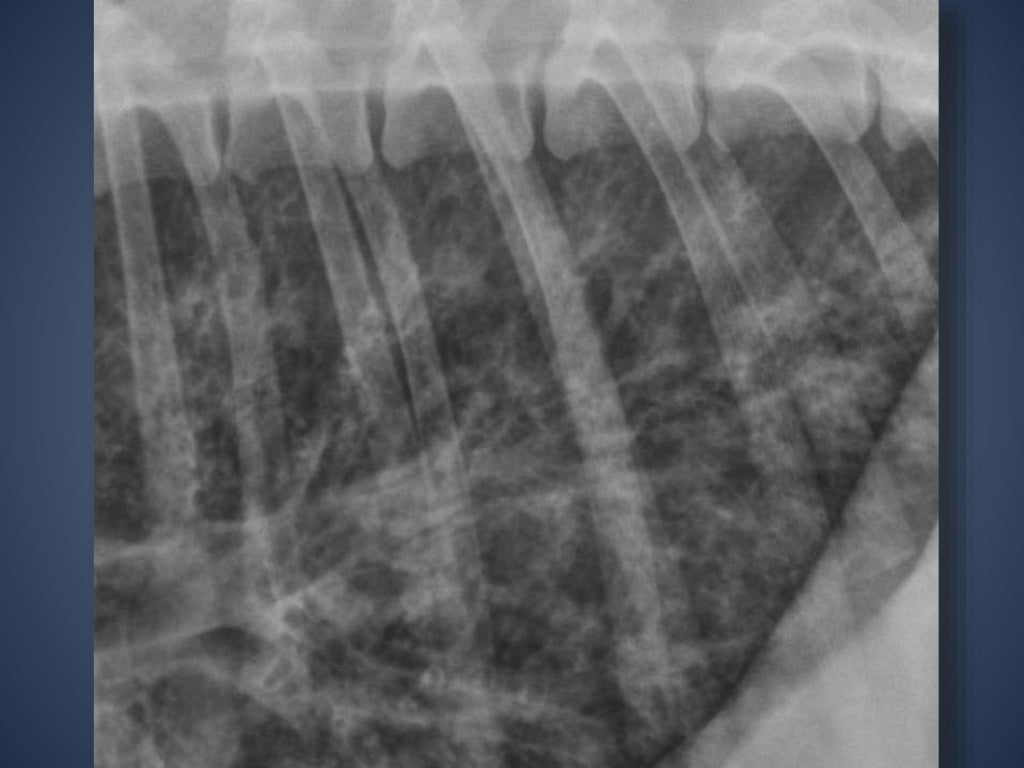
The Radiographic Approach to the Coughing Dog
Radiographic Approach to the Coughing Pet • MSPCAAngell

Thoracic radiography of a dog with pneumonic plague (case 2). Left
Imaging the Coughing Dog
Alveolar pattern or normal anatomy in the thorax of a young dog?
Web Typical Differentials For Interstitial And Alveolar Patterns In Dogs Include:
The Patient Was Hospitalized For Supportive Care And Received Iv Fluids, Cough Suppressant, And Antibiotic Therapy (Ie, Enrofloxacin, Doxycycline).
Underlying Causes Include Viral Infection, Aspiration Injury, Foreign Body Inhalation, And Defects In Clearance Of Respiratory Secretions.
Contrary To The Other Lung Patterns A Typical Distribution Helps To Choose The Most Likely Diagnosis From The Long List Of Differential Diagnosis For An Alveolar Lung Pattern.
Related Post: